Assistant



 Guaranteed provenanceDirect from the estates
 DeliveryFree Home delivery for orders exceeding €300
 Secure PaymentVisa, American Express, Mastercard...
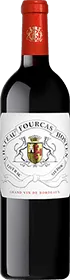
Château Fourcas Hosten 1998
In-Stock
Let's talk about this product!
A pairing in mind? A question about the vintage? Comparison with another product? Find the answers here...
Description
Characteristics and tasting tips for Château Fourcas Hosten 1998
Tasting
Colour
This wine displays a deep red hue.
Nose
The bouquet reveals great complexity and remarkable aromatic richness, subtly shaped by ageing in oak barrels.
Palate
The palate stands out for its structured tannins and fine depth, offering a backbone typical of its terroir.
Food and wine pairing
This wine pairs perfectly with grilled or roasted red meats, such as a cut of aged beef or a roast lamb. It also goes very well with slow-cooked dishes or matured hard cheeses such as Comté or Cantal.
Serving and cellaring
For optimal enjoyment, this 1998 vintage is best served at a temperature of between 14 and 16°C. Built for ageing, this vin de garde has the capacity to develop gracefully in bottle over several decades.
A structured Listrac-Médoc wine built for ageing
The estate
Located in the heart of the Listrac-Médoc appellation in France, Château Fourcas Hosten is a historic estate in the Bordeaux region. The estate as a structured property dates back to 1810, when it was established by the Saint-Affrique family. Today, it is run by Laurent and Renaud Momméja, who acquired this fifty-hectare property in 2006. Set around its 18th-century chartreuse, the château stands out for its deep commitment to biodiversity and sustainable viticulture, while preserving the heritage of its age-worthy wines.
The vineyard
The vineyard extends over a distinctive dual terroir, rising to an altitude of 43 metres. It is divided between clay-limestone soils on the Listrac plain, ideal for preserving freshness, and fine Pyrenean gravels on the Fourcas plateau, which promote excellent phenolic ripeness.
The vintage
1998 is recognised as a high-quality vintage in the Bordeaux region. Mild weather conditions allowed the grapes to reach optimal ripeness. The late-ripening varieties were able to mature perfectly, while the other varieties developed a fleshy profile, offering an appealing balance between richness and freshness.
Winemaking and ageing
This wine is crafted using traditional Médoc winemaking techniques. It is then aged in oak barrels, a key stage that refines the tannic structure while bringing additional complexity to the final blend.
Grape varieties
This wine is a blend of Cabernet Franc, Cabernet Sauvignon, Merlot and Petit Verdot.