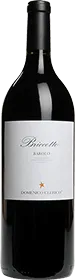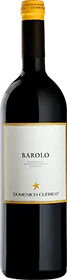


Domenico Clerico : Briccotto 2010
Only 1 available
In-Stock
 DeliveryFree Home delivery for orders exceeding €300
 Guaranteed provenanceWines sourced directly from the producing estates
Marks and reviews
 Parker
 J. Suckling
Description
Tasting Notes and Serving Tips for Domenico Clerico Barolo 2010
Tasting
Color
The wine shows a deep, dark garnet hue, reflecting its powerful structure and extended aging in oak barrels.
Nose
The nose reveals a complex bouquet dominated by plum and black cherry aromas with liqueur-like nuances, alongside notes of menthol, rose petals and leather. Hints of dark fruit, liquid smoke and tar emerge, enhanced by vanilla and spicy touches from barrel aging.
Palate
On the palate, the wine displays remarkable concentration and an intense structure. Fine, tightly knit tannins frame primary flavors of cherry, red fruits and menthol. The palate shows exceptional purity with notes of black cherry and forest floor, supported by lively acidity and tannins that build gradually. The finish is notably long, pointing to substantial aging potential in the cellar.
Food and wine pairings
This Briccotto 2010 pairs beautifully with braised meats such as osso buco or slow-cooked lamb shanks. It also complements game dishes with elegance, including wild boar, venison or duck. Mushroom-based dishes—especially porcini risottos or truffle preparations—create outstanding pairings. Aged cheeses such as Parmigiano-Reggiano or Pecorino Toscano also make excellent matches.
Serving and cellaring
This Briccotto 2010 should be decanted for at least one hour before serving to fully reveal its aromatic complexity. It is recommended to serve it at a temperature between 16 and 18°C. This wine can be enjoyed until around 2045 and is currently entering its optimal drinking window.
A Structured, Complex Barolo from Piedmont by Domenico Clerico
The estate
Founded in 1976, the Domenico Clerico estate has established itself as one of the iconic producers of modern Barolo. Starting from a modest 4-hectare vineyard inherited from his father, Domenico Clerico expanded the estate to 21 hectares spread across the most prestigious crus of Monforte d'Alba, in Piedmont. A leading figure of the “Barolo Boys” movement, he revolutionized Piedmontese viticulture by combining technical innovation with respect for terroir. Since his passing in 2017, the estate has been run by his wife Giuliana, with Oscar Arrivabene as the winemaker. The property carries on Domenico’s philosophy, focused on fruit quality and the authentic expression of terroirs.
The vineyard
This Briccotto comes from vineyards in Monforte d'Alba, benefiting from a prime exposure and distinctive soils that give the wine its power and structure. The estate practices organic viticulture with deliberately limited yields—among the lowest in the Barolo appellation—ensuring optimal aromatic concentration. The vines are tended with meticulous care, including green harvesting and rigorous canopy management to produce grapes of exceptional quality.
The vintage
The 2010 vintage is considered one of the most outstanding of the decade in Barolo. A relatively cool, rainy spring and early summer through July allowed for a long, steady growing cycle. August, misty yet warm, encouraged gradual ripening while preserving the grapes’ natural acidity. September and October, mostly dry, enabled optimal maturity to be reached. These conditions produced wines marked by remarkable textural density, vibrant acidity and an exceptional balance between structure and finesse—hallmarks of a great Barolo vintage.
Winemaking and aging
The Nebbiolo grapes are harvested by hand at optimal ripeness. Parcel-by-parcel vinification is carried out with indigenous yeasts in temperature-controlled stainless-steel vats, with manual pump-overs. Total maceration lasts between 22 and 25 days. After the first racking, the wine is transferred to barrels for malolactic fermentation. The blend is completed at the end of malolactic fermentation. This Barolo 2010 benefited from extended aging in oak barrels, with a moderate proportion of new wood reflecting the estate’s stylistic evolution toward a purer expression of terroir.
Grape variety
100% Nebbiolo