


Pauillac Wines
Products (310)


A Fifth Growth combining blackcurrant, graphite and velvety tannins
€700.00
Cedar, graphite and opulent black fruit define this powerful, refined Pauillac
€627.00

Blackcurrant, graphite and tobacco define this dense and velvety Pauillac, crafted for ageing
€566.00
Want to save time?
Write what you're looking for in your own words, our virtual assistant will guide you through your choices!

A refined Pauillac combining blackcurrant, graphite, and velvety tannins, with remarkable balance
€517.00
Juicy blackcurrant, cedar and dark chocolate: a structured, fresh Pauillac, already approachable
€480.00
Fifth Growth, juicy blackcurrant and notes of tobacco, polished tannins and excellent ageing potential
€492.00
€614.00
A classic and vibrant Pauillac, combining blackcurrant, cedar and velvety tannins
€456.00

A classic Pauillac with intense black fruit, fine tannins, and mineral freshness
€492.00
Second wine of Grand-Puy-Lacoste, combining minty blackcurrant notes, freshness, and silky tannins
€348.00
€370.00

Juicy blackcurrant, violet and graphite, a refined Pauillac with silky tannins and a saline finish.
€480.00

A classic, generous Pauillac with vibrant blackcurrant, fine tannins, and remarkable balance.
€431.00


A pioneer of biodynamics, this grand cru classé captivates with its mineral finesse
€862.00
A precise, structured Pauillac, combining blackcurrant, cedar and saline freshness.
€468.00

Rare power and purity, amphora ageing, an exceptional Pauillac
€1,326.00
A rich and concentrated Pauillac with silky tannins, combining ripe blackcurrant and graphite
€639.00

Cazes’ first vintage, a classic, silky Pauillac with hallmark notes of blackcurrant and graphite.
€761.00

Powerful and fresh Pauillac, blackcurrant, cedar, noble tannins, great ageing potential.
€1,741.00
Ripe blackcurrant, graphite and a velvety texture define this modern Pauillac with excellent ageing potential.
€761.00
Second wine of Grand-Puy-Lacoste combining juicy blackcurrant and pencil lead notes
€438.00
A refined Pauillac with silky tannins, driven by pure fruit and mineral freshness.
€602.00
Classic power, velvety texture, blackcurrant and cedar for exceptional ageing
€1,058.00
Elegant, full-bodied and fresh Pauillac, with notes of blackcurrant, tobacco and graphite
€639.00
A refined Pauillac with juicy fruit, notes of liquorice, powerful and fresh, excellent ageing potential
€462.00
Blackcurrant, cedar and tobacco: a benchmark Pauillac combining power and freshness.
€1,692.00
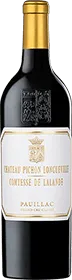
Blackcurrant, cedar and violet unfold over silky tannins of rare length.
€1,570.00
The ultimate vintage of this cru, an intense Pauillac with dark fruits and a distinguished finish.
€219.00
An elegant and approachable Pauillac, rich in blackcurrant and black cherry.
€389.00

A Pauillac of unprecedented precision, dense, powerful and silky
€923.00
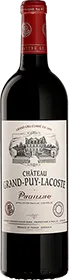
An archetypal Pauillac with pure blackcurrant notes and silky tannins, combining power and freshness.
€655.00
Juicy blackcurrant, graphite and a mentholated freshness define this elegant Pauillac.
€326.00
€407.00

Classified growth with a polished, classic style — blackcurrant, cedar, silky tannins, already charming.
€368.00
A vibrant and profound Pauillac, blending pure blackcurrant with tannins of rare finesse.
€917.00
Taken over by the Cazes family, a powerful Pauillac, built for ageing
€883.00
Power and grace, silky tannins, blackcurrant, violet and graphite, remarkable ageing potential.
€1,661.00

A classic and indulgent Pauillac, with juicy blackcurrant, refined graphite and age-worthy tannins.
€566.00
Fifth Growth, velvety, juicy blackcurrant and graphite, with an elegant age-worthy structure
€773.00
A distinguished Pauillac with ripe black fruit, cedar and refined tannins
€529.00
A charming Pauillac with fine tannins, blending juicy dark fruits and mineral elegance.
€197.00
A Fifth Classified Growth run by the Cazes family, combining vibrancy and remarkable finesse
€822.00

A opulent yet taut Pauillac, blackcurrant and cedar, silky tannins, mineral finish.
€749.00
A classic and charming Pauillac, with notes of graphite, built for ageing.
€1,005.00
Second wine of Grand-Puy-Lacoste, vibrant red fruits and refreshing vivacity.
€153.00
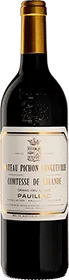
Powerful and silky Pauillac, blackcurrant and violet, freshness and excellent ageing potential
€1,838.00