Assistant



 Guaranteed provenanceDirect from the estates
 DeliveryFree Home delivery for orders exceeding €300
- Secure PaymentVisa, American Express, Mastercard...
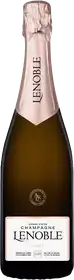
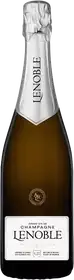
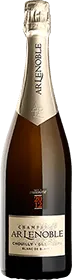
AR Lenoble : Extra Brut (Intense) V.21
In-Stock
Let's talk about this product!
A pairing in mind? A question about the vintage? Comparison with another product? Find the answers here...
Description
Tasting Notes and Serving Suggestions for AR Lenoble Extra Brut (Intense) V.21
Tasting
Appearance
The wine displays a pale yellow hue with golden highlights, brought to life by a fine, elegant effervescence.
Nose
The nose opens with delicate aromas of white fruits, notably pear and crisp apple, accompanied by floral notes of acacia. With aeration, nuances of brioche and freshly baked pastries emerge, reflecting the complexity brought by extended aging.
Palate
On the palate, this champagne reveals a zesty liveliness marked by notes of yellow grapefruit and lemon, delivering precision and freshness. The fine, elegant mousse creates a creamy, silky texture from the first sip. The balance between natural acidity and the roundness of the reserve wines offers refined harmony. The finish lingers with fine mineral tension and chalky notes characteristic of the Chouilly terroir.
Food and Wine Pairing
Extra Brut (Intense) V.21 pairs perfectly with cheese gougères, mackerel rillettes, sea bream ceviche with citrus, vitello tonnato, monkfish tail with beurre blanc, beef carpaccio with capers and Parmesan, or delicate plum tartlets. This champagne also pairs beautifully with seafood, grilled fish, and poultry in cream sauce.
Serving and Cellaring
It is recommended to serve this champagne at a temperature between 46 and 50°F. Extra Brut (Intense) V.21 can be enjoyed now and will continue to evolve favorably for around three to four years.
A champagne of remarkable precision and freshness
The estate
Founded in 1920 by Armand-Raphaël Graser, the AR Lenoble House has remained for more than a century a family-owned and independent estate, with no outside investors. Now run by Anne and Antoine Malassagne, representing the fourth generation, the House farms 18 hectares of vineyards spread across the prestigious terroirs of Chouilly (Grand Cru), Bisseuil (Premier Cru), and Damery (Vallée de la Marne). Certified Haute Valeur Environnementale since 2012, AR Lenoble stands out for its innovative approach, notably with its unique system for aging reserve wines in magnums under light pressure, developed to preserve freshness in the face of climate change challenges. The House favors quality and terroir expression over mass production.
The vineyard
Extra Brut (Intense) V.21 comes from the three emblematic terroirs of the AR Lenoble House in Champagne. The 10 hectares in Chouilly, classified Grand Cru for chardonnay, rest on chalky soils that give the wine minerality and precision. The 6 hectares in Bisseuil, classified Premier Cru, provide a structured pinot noir thanks to different soil compositions. Lastly, the 2 hectares in Damery, located in the Vallée de la Marne, produce a pinot meunier that brings roundness and natural freshness. This geographic diversity enables the House to craft balanced blends that honor the specific characteristics of each village rather than creating a uniform style.
The blend
The Extra Brut (Intense) V.21 is the result of a blend made up of 49% wines from the harvest and 51% reserve wines from a perpetual reserve maintained since 2001. These reserve wines are aged in different vessels: stainless-steel tanks to preserve freshness, oak barrels to add complexity and roundness, and magnums under light pressure to develop aromatic richness while maintaining vibrancy. This generous proportion of reserve wines helps balance the natural acidity of the base wines with greater roundness and complexity. With a dosage of 3 grams per liter,
Vinification and aging
Extra Brut (Intense) V.21 is made exclusively from the cuvée, the first-press juice, ensuring optimal quality from the outset. Malolactic fermentation is adjusted according to the characteristics of each component in the blend, preserving the necessary freshness while avoiding excessive austerity. Aging lasts an average of 42 months, well above the regulatory 15 months for a non-vintage champagne. This maturation takes place mainly in stainless-steel tanks, with 10% in oak barrels and 10% in magnums sealed under light pressure. This innovative magnum-aging system, introduced in 2010, allows for complex aromatic development while preserving the freshness essential to the wine’s balance.
Grape varieties
Pinot meunier (55 %)
Chardonnay (30 %)
Pinot noir (15 %)