Assistant



 Guaranteed provenanceDirect from the estates
 DeliveryFree Home delivery for orders exceeding €300
- Secure PaymentVisa, American Express, Mastercard...
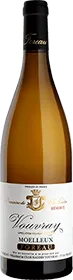
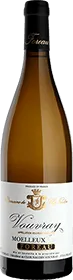
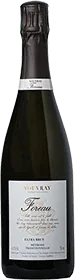
Clos Naudin : Moelleux 2018
Only 2 available
In-Stock
Let's talk about this product!
A pairing in mind? A question about the vintage? Comparison with another product? Find the answers here...
Description
Characteristics and tasting advice for the Moelleux 2018 from Clos Naudin
Tasting
Appearance
With a pale to medium-intensity golden-yellow hue, the wine is bright and radiant.
Nose
The nose reveals remarkable aromatic generosity, with intense aromas of roasted apricot, candied quince and acacia honey. Subtle saffron notes add a distinctive spicy dimension, while nuances of exotic fruits such as mango, white pepper and dried fruits enrich the aromatic palette.
Palate
On the palate, the wine charms with its sumptuous, velvety texture that envelops the mouth. The balance between natural sweetness and a lively, almost razor-sharp acidity prevents any heaviness. The mid-palate unveils polished layers of refined minerality, marked by saline sensations and subtle citrus streaks. Complex flavors of candied orange zest, quince paste and finely ground spices gradually unfold. The finish impresses with its remarkable length and persistence, leaving a generous sensation balanced by renewed freshness.
Food and wine pairings
This moelleux pairs beautifully with foie gras, whether served raw or as a terrine, as well as blue cheeses such as Roquefort, Bleu d’Auvergne or Fourme d’Ambert. It also matches well with sweet-and-savory dishes, notably roasted meats served with fruit, such as duck with cherries or pork with apples. Asian dishes with gentle yet spicy flavors, particularly Thai curries with coconut milk, also make excellent pairings. For desserts, opt for stone-fruit preparations, roasted pineapple, apricot tarts, pastry creams, honey-based confections or almond-based creations.
Serving and cellaring
It is recommended to decant the Moelleux 2018 about half an hour before serving and to serve it at a temperature between 9 and 11°C. This wine has exceptional aging potential and can be cellared until around 2043, or even beyond under optimal conditions. It gains in complexity over the first five to ten years before entering a long evolution phase.
A rich, well-balanced Loire moelleux from Domaine Clos Naudin
The estate
Domaine Clos Naudin was founded in 1910 by Armand Foreau in the Vouvray area of the Loire Valley. Today, Vincent Foreau runs the estate, representing the fourth family generation since 2016. The vineyard covers around 12 hectares in the northeastern part of the Vouvray appellation. The property stands out for its longstanding commitment to organic practices, officially certified since 2015, and for its spectacular cellars carved by hand into the limestone tuffeau over a period of sixty years.
The vineyard
Clos Naudin’s vines are located mid-slope within the Vouvray appellation, with mainly south, southeast and southwest exposures. The main plots, named Les Perruches and Les Ruettes, lie on complex soils of clay and flint over a limestone tuffeau subsoil. This geological composition gives the wines remarkable tension and signature notes of smoke, saffron and subtle spice. Clay ensures excellent water retention, while flint brings minerality and complexity. The vines, averaging 45 years of age, are farmed according to organic principles with controlled yields of around 33 to 40 hectoliters per hectare.
The vintage
The 2018 vintage in the Loire Valley was marked by warmer-than-average conditions, promoting significant concentration and ripeness in the grapes while preserving the natural acidity essential to the balance of moelleux wines.
Winemaking and aging
The Moelleux 2018 harvest is carried out by hand, with several successive passes through the vineyard to select bunches at optimal ripeness. Fermentation proceeds slowly at around 16°C over two months, exclusively with indigenous yeasts. The wine is aged in old 300-liter oak barrels, with no new oak, allowing beneficial micro-oxygenation without imprinting the wine. No chaptalization is practiced, and malolactic fermentation is systematically avoided in order to preserve the freshness, salinity and aging potential that are hallmarks of the estate.
Grape variety
100% Chenin Blanc