Assistant




 Guaranteed provenanceDirect from the estates
 DeliveryFree Home delivery for orders exceeding €300
 Secure PaymentVisa, American Express, Mastercard...
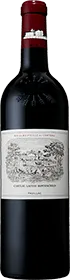
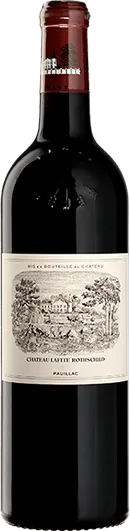
Château Lafite-Rothschild 2009
In-Stock
Let's talk about this product!
A pairing in mind? A question about the vintage? Comparison with another product? Find the answers here...
Description
The 2009 Lafite-Rothschild is a serious contender among the greatest Medoc region releases. The wine’s deep, almost-ink colour echoes the sunny vintage. The nose exudes fresh and tingling sub-notes of blueberry, cassis, mashed strawberries, along with a hint of anise. The attack is forward, precise, long, and commanding. The rich, creamy, and generously meaty mid-palate reveals clear-cut tannins commonly found in superior wines. The back of the palate offers an increase in power along with remarkably fine grains, while the rich finish fills the mouth with dark fruits and emotions. The youth of this wine flawlessly conveys the vintage solar energy. Lafite-Rothschild know-how elegantly combined nearly-perfect climate conditions and powerful soils to produce a sensuous Cabernet Sauvignon with undeniable cellar potential.