Assistant



 Guaranteed provenanceDirect from the estates
 DeliveryFree Home delivery for orders exceeding €300
 Secure PaymentVisa, American Express, Mastercard...
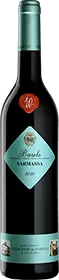
Marchesi di Barolo : Riserva 2016
Only 2 available
In-Stock
Let's talk about this product!
A pairing in mind? A question about the vintage? Comparison with another product? Find the answers here...
Description
Characteristics and tasting tips for the Riserva 2016 from Marchesi di Barolo
Tasting
Appearance
The appearance reveals a garnet red hue with ruby highlights, luminous and intense.
Nose
Complex and refined, the nose opens with floral notes of wild rose, dried violet and peony. Aromas of fresh herbs and forest floor mingle with mineral touches. As the wine aerates, spicy nuances of cinnamon, nutmeg and clove emerge, accompanied by characteristic menthol notes. Tertiary aromas of dried apricot, leather and tobacco complete this sophisticated bouquet.
Palate
Full and structured, the palate reveals a velvety texture despite muscular and concentrated tannins. Flavors of black cherry and macerated cherry dominate, supported by a beautiful mineral freshness. Menthol notes bring a refreshing sensation while touches of chocolate and truffle enrich the palate. The lively acidity and remarkable balance lead to a persistent and elegant finish.
Food and wine pairing
This Italian red wine is an ideal companion for fresh egg pasta from the Langhe region such as tajarin or ravioli del plin, particularly with game or truffle sauces. It pairs perfectly with roasted red meats, brasato al Barolo, lamb and furred game. Aged hard cheeses, notably sheep's or goat's milk tomme and aged Parmesan, also make excellent pairings.
Serving and storage
This Barolo Riserva 2016 is best served between 64 and 68°F. Decanting for two to four hours before serving is recommended to allow the wine to open fully. This wine can be enjoyed until around 2042.
An iconic Italian red wine from Piedmont
The estate
Founded in 1929 by Pietro Abbona, the Marchesi di Barolo house carries on a legacy dating back to the early 19th century, when Marchioness Giulia Falletti created the modern Barolo. Today led by Ernesto and Anna Abbona, joined by their children Valentina and Davide who represent the sixth generation, the estate cultivates approximately 175 hectares of vines spread across the finest terroirs of the Langhe, a region classified as a UNESCO World Heritage Site. Renowned for its commitment to the authentic expression of its terroirs and SQNPI certified, the estate embodies the excellence of Piedmont wines through a philosophy grounded in deep vineyard knowledge and respect for the unique character of each plot.
The vineyard
This Barolo wine comes from parcels located in the eponymous commune, notably the prestigious Coste di Rose vineyard. This site benefits from a pronounced easterly exposure on slopes exceeding a 40% gradient. The soils, composed of Tortonian sandy marls enriched with quartzose sand, fine limestone and fossiliferous marine sediments, impart intense and refined aromatic characteristics to the Nebbiolo. The sheltered geographical position of Barolo, nestled between higher hills, creates a microclimate particularly favorable to the slow and complete ripening of the grape variety.
The vintage
The 2016 vintage stands out as one of the longest growing seasons in the appellation's recent history. After a mild winter and a cool spring that delayed the vegetative cycle by about ten days, the summer was characterized by above-average temperatures without extreme heat spikes, accompanied by low humidity. September extended these summer-like conditions while cool nights created ideal temperature swings for aromatic development. Harvest began on October 13, five days later than the historical average, allowing for optimal physiological ripeness. This exceptional season produced wines of remarkable balance, combining structure, finesse and freshness.
Winemaking and aging
This cuvée adheres to the strict appellation requirements mandating a minimum of 62 months of cellar aging from November 1 of the harvest year, including at least 18 months in oak barrels. Fermentation takes place in cork-insulated vitrified cement tanks, maintaining a stable temperature around 72°F. An extended maceration on the skins follows the alcoholic fermentation. The wine is then aged for approximately two years in large Slavonian oak casks, allowing gentle maturation without overpowering the terroir's character. Additional bottle aging precedes release, promoting the harmonious integration of all components.
Grape variety
Nebbiolo (100%)