Assistant



 Guaranteed provenanceDirect from the estates
 DeliveryFree standard delivery for orders exceeding 2,250 kr.
 Secure PaymentVisa, American Express, Mastercard...
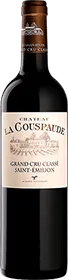
Château La Couspaude 2019
In-Stock
Let's talk about this product!
A pairing in mind? A question about the vintage? Comparison with another product? Find the answers here...
Description
Tasting characteristics and advice for Château La Couspaude 2019
Tasting
Appearance
The wine displays a deep, intense ruby-purple hue, with bright highlights that reflect the wine’s concentration and the quality of the raw material.
Nose
The nose opens with a complex, generous bouquet of ripe red and black fruits, notably black cherries and raspberries. With aeration, notes of forest floor, delicate spices, and vanilla emerge, accompanied by subtle woody touches from barrel aging. Subtle mineral nuances complete this rich, multidimensional aromatic profile.
Palate
On the palate, the wine is rich and medium-bodied, combining power and elegance. The attack is full and generous, carried by well-built, rounded tannins that provide structure without rigidity. The texture is supple and refined, with a fine balance between the fruit’s richness and the wine’s natural freshness. The long, persistent finish lingers on notes of wild berries and forest floor, with tannins that tighten slightly, highlighting excellent aging potential.
Food and wine pairings
This Saint-Émilion Grand Cru Classé is an ideal match for grilled or roasted red meats, such as a thick-cut beef steak or a bone-in rib steak. It also pairs beautifully with slow-cooked dishes such as beef bourguignon or hare stew. Roasted duck breast, especially with figs, makes a refined pairing. Hard cheeses such as aged Comté, Cantal, or Saint-Nectaire also find an excellent companion in this wine.
Serving and aging
Château La Couspaude 2019 benefits from decanting for one to two hours before serving to fully reveal its aromatic complexity. It is best enjoyed at a temperature between 16 and 18°C. This wine can be enjoyed now but will continue to evolve favorably until around 2039, or even beyond under optimal cellaring conditions.
A balanced, sun-kissed Saint-Émilion Grand Cru Classé from the 2019 vintage
The estate
Located in the heart of the village of Saint-Émilion near the monolithic church, the Château La Couspaude has belonged to the Aubert family since 1750. This Grand Cru Classé, known in the Middle Ages as “La Croix Paute,” takes its name from the cross at the entrance to the estate, a meeting point for pilgrims making their way to Santiago de Compostela.
The vineyard
The Château La Couspaude vineyard enjoys an exceptional location on the limestone plateau of Saint-Émilion, just 400 meters from the village’s monolithic church. The terroir is characterized by a thin clay-limestone layer, 40 to 80 centimeters deep, resting on a subsoil of hard limestone rock. This geological composition provides optimal natural regulation of water reserves, particularly beneficial during dry periods. The vines, averaging 30 to 35 years of age, are planted between 75 and 85 meters above sea level, promoting ideal sun exposure and good natural ventilation.
The vintage
The 2019 vintage benefited from exceptional climatic conditions in Bordeaux. An early spring, with bud break a week earlier than in 2018, was encouraged by a particularly sunny February and above-average temperatures. Summer proved ideal for grape ripening, with an extraordinarily sunny July and an August marked by remarkably high temperatures. Rainfall on September 22 allowed the Cabernets to continue ripening under optimal conditions. This vintage stands out for its remarkable balance between optimal grape maturity and preserved freshness, thanks to a well-paced growing season.
Vinification and aging
The Château La Couspaude 2019 harvest is carried out by hand, allowing for meticulous grape selection. In the cellar, the grapes are carefully sorted before vinification. Low-temperature pre-fermentation maceration is performed using dry ice. Fermentation and post-fermentation macerations extend over about three weeks in small, temperature-controlled stainless-steel vats, enabling parcel-by-parcel work. Aging takes place for 18 to 22 months in new French oak barrels, bringing vanilla and toasted notes while preserving the expression of the fruit and terroir.
Grape varieties
Merlot (75%), Cabernet Franc (20%), Cabernet Sauvignon (5%)