Assistant



 Guaranteed provenanceDirect from the estates
 DeliveryFree standard delivery for orders exceeding 2,250 kr.
 Secure PaymentVisa, American Express, Mastercard...
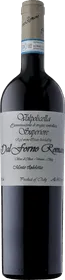
Dal Forno Romano : Valpolicella Superiore 2016
Only 2 available
In-Stock
Let's talk about this product!
A pairing in mind? A question about the vintage? Comparison with another product? Find the answers here...
Description
Characteristics and tasting tips for the Valpolicella Superiore 2016 from Dal Forno Romano
Tasting
Appearance
The appearance displays a deep, intense dark red hue.
Nose
The bouquet reveals remarkable aromatic complexity. Notes of concentrated black fruit intermingle with aromas of dark chocolate and spices. Nuances of dried rose petals, raspberries, and candied oranges enrich the olfactory profile, accompanied by touches of precious woods and subtle minty notes.
Palate
On the palate, this wine unveils a powerful and complex structure, while maintaining remarkable elegance. The texture is rich and silky, supported by noble and well-integrated tannins. Black fruits dominate the palate, supported by a lively acidity that brings freshness and dynamism. The finish, relatively dry despite the concentration, lingers persistently with spicy and slightly toasted notes.
Food and wine pairings
This Valpolicella Superiore 2016 pairs perfectly with roasted or braised red meats. It also brilliantly accompanies traditional stews, mushroom-based dishes, or aged cheeses with character such as Parmigiano Reggiano stagionato.
Service and cellaring
Decanting before serving is recommended to allow the wine to open up fully. The ideal serving temperature is between 18 and 20°C. This Valpolicella Superiore 2016 can be enjoyed now but will continue to evolve favorably until around 2035.
A Valpolicella Superiore from Veneto of exceptional power and complexity
The estate
Founded in 1983 by Romano Dal Forno in the Val d'Illasi valley in Veneto, the Dal Forno Romano estate has established itself as a legendary producer in the region. Since 2020, Marco Dal Forno, the founder's son, has managed the family estate while Romano remains present as an advisor. The estate covers approximately 34 hectares of vineyards located near Verona. Internationally recognized for its wines of remarkable intensity and concentration, Dal Forno Romano combines traditional viticultural practices with modern technological innovations. The estate's philosophy relies on extremely low yields and rigorous grape selection.
The vineyard
The Valpolicella Superiore comes from vineyards established in the Val d'Illasi valley, east of Verona, at an altitude of approximately 300 meters. The soils are characterized by their alluvial-clay composition enriched with active limestone and gravel. This soil structure provides excellent drainage and distinctive mineral enrichment. The climate benefits from the moderating influences of Lake Garda and fresh breezes coming from the Monti Lessini, favoring a slow and regular ripening of the grapes. The planting density reaches between 12,800 and 13,000 vines per hectare, and yields are drastically reduced by severe pruning and successive green harvesting.
The vintage
The 2016 vintage is considered excellent in Veneto. Although the estate suffered a hailstorm in May 2015 which reduced yields by about 70%, this natural constraint paradoxically further concentrated the fruit's qualities. The weather conditions of 2016 allowed for grapes of remarkable maturity and balance, making this year one of the great vintages of the century according to the estate.
Winemaking and aging
All grapes destined for the Valpolicella Superiore 2016 underwent an appassimento process of approximately one and a half months in drying rooms equipped with a computerized ventilation system. A double selection of the grapes is carried out, before and after drying. After pressing, fermentation takes place in temperature-controlled stainless steel tanks with an automated hydraulic pump-over system allowing for optimal extraction. The wine is then aged for 24 months in new barrels, composed of 70% French oak and 30% American oak. Before bottling, the wine is placed under vacuum to eliminate any contact with oxygen. An additional maturation period in the bottle of at least four years is observed before release.
Grape varieties
Corvina (70%), Rondinella (20%), Croatina (5%), Oseleta (5%)