Assistant



 Guaranteed provenanceDirect from the estates
 DeliveryFree standard delivery for orders exceeding 2,250 kr.
 Secure PaymentVisa, American Express, Mastercard...
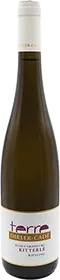
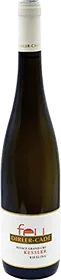
Dirler-Cadé : Gewurztraminer Grand cru "Kitterlé" Doux 2016
In-Stock
Let's talk about this product!
A pairing in mind? A question about the vintage? Comparison with another product? Find the answers here...
Description
Tasting notes and serving recommendations for Dirler-Cadé Gewurztraminer Grand Cru "Kitterlé" Doux 2016
Tasting
Appearance
A golden yellow hue with bright green highlights reflects the wine’s youth and vitality.
Nose
The bouquet reveals a deeply varietal character with an exuberant aromatic palette. Exotic fruits dominate the aromatic expression: lychee, mango, pineapple, passion fruit, papaya, and banana blend harmoniously. Floral notes of rose and white flowers accompany this generous fruit profile. A spicy dimension adds complexity with hints of ginger, white pepper, cinnamon, and candied ginger. A subtle flinty minerality anchors the whole in its original terroir.
Palate
The attack is rich and smooth, immediately revealing the wine’s generosity. The structure provides volume and roundness without heaviness. The palate evolves with liveliness thanks to a fine, lightly sparkling sensation that brings freshness. Tropical fruit flavors linger: papaya, passion fruit, pineapple, mango, lychee, and apricot. The floral and spicy notes perceived on the nose continue seamlessly. A stony minerality appears in the background, a signature of the Kitterlé terroir. The exceptionally long finish shows a slight bitterness that structures the whole and balances the sweetness. Fine acidity sustains freshness through the finish, creating a remarkable balance between silky softness and dry extract.
Food and wine pairings
This Gewurztraminer Grand Cru "Kitterlé" Doux 2016 pairs beautifully with soft cheeses with washed rinds such as Munster, as well as blue cheeses like Roquefort, Gorgonzola, or Stilton. It also complements traditional Alsatian cuisine: tarte flambée with Gruyère, quiche Lorraine, or smoked bacon. Spiced cuisines from around the world find an ideal partner in this wine: Moroccan tagines with dried fruits, Thai lemongrass soups, Vietnamese dishes with ginger and coriander, or Indian curries. For desserts, opt for aromatic preparations such as rosewater baklava, mango and ginger desserts, pumpkin pie, or apple strudel, ensuring the wine remains sweeter than the dessert.
Serving and cellaring
This wine can be enjoyed now and will continue to evolve until around 2029. Its balanced structure and preserved acidity give it excellent aging potential, allowing its mineral notes to become more expressive over time.
An Alsace Gewurztraminer combining aromatic power with the mineral finesse of Grand Cru Kitterlé
The estate
Founded in 1871 by Jean Dirler in Bergholtz, the Domaine Dirler-Cadé is now one of the benchmarks of Alsatian viticulture. The estate took its current name in 2000 when Jean Dirler, of the fifth generation, married Ludivine Cadé, bringing the Hell-Cadé family vineyards and expanding the estate to 18 hectares. Today, Jean and Ludivine Dirler run this pioneering biodynamic estate in Alsace, certified since 1998. The domaine stands out for the exceptional proportion of its parcels classified as Grand Cru, representing nearly 40% of the vineyard with the four prestigious terroirs of Kessler, Saering, Spiegel, and Kitterlé. The award of three stars in the 2025 Guide of La Revue du Vin de France confirms the consistent excellence of this independent family estate.
The vineyard
The Grand Cru Kitterlé, mentioned as early as 1699 and marketed under its name since 1830, occupies an exceptional site in Alsace. Located in Guebwiller, at the foothills of the Hautes Vosges in the Florival valley, this vineyard stretches across a steep rocky slope offering three distinct exposures: southwest, south, and southeast. This configuration creates microclimates favorable to optimal ripening. The terroir is based on a rare geological substrate of Vosges sandstone from the Buntsandstein, a Lower Triassic formation dating back 246 to 252 million years. The volcanic sandy soils and sandstone conglomerates warm up quickly and are highly resistant to drought. Low yields promote concentration. The estate practices full biodynamics, with partial plowing in autumn and complete plowing in spring to encourage deep root growth. Preparations based on nettle, horsetail, willow, and meadowsweet strengthen the vines’ natural defenses. On the steepest slopes, plowing is carried out using draft horses.
The vintage
The 2016 vintage in Alsace was marked by a mild, wet winter followed by a rainy spring that encouraged bud break but created mildew pressure. Summer and the ripening period experienced hot, dry conditions, reducing berry size and concentrating skin-to-juice ratios. This combination led to relatively late harvests despite early ripening, with grapes reaching phenolic maturity at moderate potential alcohol levels. Wines from the 2016 vintage offer freshness and precision of expression, particularly valuable for gewurztraminer, where high alcohol can accentuate the grape’s natural richness.
Winemaking and aging
Harvesting is carried out by hand after rigorous maturity checks on a parcel-by-parcel basis, prioritizing phenolic ripeness over simple sugar accumulation. The grapes are gently pressed in pneumatic presses that preserve berry integrity. After static settling, fermentation takes place in old oak vats or temperature-controlled stainless steel tanks, driven exclusively by indigenous yeasts naturally present on the grapes and in the cellar. This approach respects the authentic expression of the terroir. Aging on fine lees lasts around ten months, bringing textural richness and aromatic complexity. The wine is neither filtered nor fined before bottling, thus preserving its full substance and aging potential. Fermentation stops naturally, leaving residual sugars that define the off-dry style of this cuvée.
Grape variety
This wine is made from 100% gewurztraminer, an aromatic pink-skinned grape variety originating from the Alpine foothills.