Assistant



 Guaranteed provenanceDirect from the estates
 DeliveryFree standard delivery for orders exceeding 2,250 kr.
 Secure PaymentVisa, American Express, Mastercard...
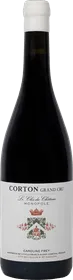
Domaine Caroline Frey : Corton-Charlemagne Grand cru 2020
In-Stock
Let's talk about this product!
A pairing in mind? A question about the vintage? Comparison with another product? Find the answers here...
Description
Characteristics and tasting tips for Corton-Charlemagne Grand Cru 2020 from Domaine Caroline Frey
Tasting
Appearance
The wine displays a pale gold hue highlighted by green glints.
Nose
The bouquet reveals a harmonious balance between minerality and aromatic richness.
Palate
The palate shows remarkable power, with notes of honey and toasted bread. The long, structured finish reflects the wine's concentration.
Serving and cellaring
To fully appreciate this Corton-Charlemagne Grand Cru 2020, serve it at a temperature of between 12 and 14°C. This wine can be enjoyed now but will continue to develop until around 2035.
A Burgundy Grand Cru combining mineral power and elegance
The estate
Domaine Caroline Frey covers 7 hectares in the heart of the Montagne de Corton, in Burgundy. Caroline Frey, an oenologist trained in Bordeaux who graduated top of her class, runs this estate alongside Château La Lagune and Domaines Paul Jaboulet Aîné. A pioneer of sustainable viticulture, she is converting the estate to organic farming and produces exceptional wines that combine mineral power and elegance.
The vineyard
This Corton-Charlemagne comes from a 0.4637-hectare plot on the Montagne de Corton, at an altitude of 280 to 330 metres. The vines grow on steep slopes with light, stony, well-drained soils lying over limestone beds and marls covered with thin rendzina soils. Some sections contain white marl. The estate practises gentle viticulture and is in conversion to organic farming, under the supervision of Caroline Frey.
The vintage
The 2020 vintage stands out as the hottest year on record since 1959, with overall rainfall close to average. A mild winter with above-average temperatures encouraged early budburst. Ripening proved uneven, depending on flowering dates and localised rainfall. Bunch closure occurred around 23 June on the earliest plots. The 90- to 100-day growing cycle was respected, and the first juices were generous with lovely freshness. This historically early and demanding vintage promises great quality.
Winemaking and ageing
The grapes were harvested as whole bunches on 31 August, a historically early date. After pneumatic pressing, the musts underwent static settling. Alcoholic and malolactic fermentations took place in oak barrels. This white wine from Burgundy was then aged for 15 months in oak barrels.
Grape variety
100% Chardonnay.