Assistant


 Guaranteed provenanceDirect from the estates
 DeliveryFree standard delivery for orders exceeding 2,250 kr.
 Secure PaymentVisa, American Express, Mastercard...
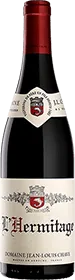
Jean-Louis Chave : Hermitage Domaine 2021
 This product is reserved for "Exclusive Cellar" members, our loyal customers who have reached the Magnum level in our loyalty program. If you are already a member, log in to your account to access it. For more information, visit the Millesima Premium loyalty program page. You can also contact us by phone or email.
In-Stock
Let's talk about this product!
A pairing in mind? A question about the vintage? Comparison with another product? Find the answers here...
Description
Characteristics and tasting advice for the 2021 Hermitage Domaine from Jean-Louis Chave
Tasting
Appearance
The wine shows a deep, concentrated red color, with subtle garnet highlights beginning to emerge.
Nose
The nose opens with precise notes of black fruit, notably blackcurrant and blackberry, interwoven with mineral nuances evocative of graphite and crushed stone. Floral touches of violet and dried flowers gradually appear, alongside subtle peppery and slightly animal notes.
Palate
On the palate, the wine displays a medium-weight structure marked by a remarkable balance between fruit intensity and mineral definition. The entry is fresh and lively, followed by a nuanced mid-palate where fruit flavors integrate harmoniously with mineral and peppery notes. The tannins, present and structured, show a silky refinement rather than an aggressive austerity. The acidity sustains impressive freshness while promising excellent aging potential. The finish lingers at length, revealing additional layers of mineral precision and subtle hints of leather.
Food and wine pairings
This wine pairs perfectly with herb-roasted lamb with herbes de Provence, grilled game, or beef served with a mushroom sauce. Red meats prepared with mild spices also make excellent partners.
Serving and cellaring
The 2021 Hermitage is best enjoyed at a temperature between 16 and 18°C. Decanting for one to two hours before serving helps open up the aromatic bouquet. Ideally, this wine should be cellared for at least five to ten years before reaching optimal maturity, with aging potential extending over several decades.
A red Hermitage combining precision and elegance in the pure tradition of the Rhône Valley
The estate
The Domaine Jean-Louis Chave embodies an exceptional winemaking lineage dating back to 1481, when Charles Chave received land on the Bachasson hillside. Today, Jean-Louis Chave, the sixteenth generation at the helm of the estate, oversees around 28 hectares divided between Hermitage and Saint-Joseph. Trained at the University of California, Davis, he took over the property in 1992, continuing the legacy of his father Gérard. The estate has stood out for its philosophy centered on expressing terroir rather than grape variety. Certified organic since 2019, Jean-Louis Chave has also been practicing biodynamics for around fifteen years, perpetuating ancestral methods while enhancing them with a contemporary approach.
The vineyard
The Hermitage vineyard stretches over approximately 137 hectares along the western bank of the Rhône, near Tain-l'Hermitage. This hillside benefits from optimal south and southeast exposure, with soils dominated by decomposed granite mixed with mica schist and rounded pebbles of glacial origin. The blend for red Hermitage comes from several distinct lieux-dits: Bessards brings structure and power thanks to its granite soils, Méal offers flesh and richness, L'Ermite contributes intensity and aging potential, Péléat delivers finesse and elegance, while Beaume and Diognières add their own distinctive characteristics. The vines, averaging thirty to eighty years of age, produce modest yields but grapes of exceptional concentration and complexity.
The vintage
The 2021 vintage in the Rhône Valley benefited from cool, contrasting climatic conditions. A relatively dry, mild winter was followed by a temperate spring with favorable flowering. The growing season was marked by moderate temperatures, allowing for gradual phenolic ripening. These conditions favored the production of wines defined by precision rather than power, with vibrant acidity and remarkable aromatic definition.
Winemaking and aging
Harvesting is carried out by hand with rigorous berry selection, favoring optimal physiological ripeness. Each parcel of the 2021 Hermitage is vinified separately to preserve its unique character. The final blend, created without any predetermined formula, varies according to the specific characteristics of each vintage. This approach makes it possible to harmonize the diverse expressions of the different terroirs into a cohesive, complex wine.
Grape variety
Syrah