Assistant



 Guaranteed provenanceDirect from the estates
 DeliveryFree Home delivery for orders exceeding €300
 Secure PaymentVisa, American Express, Mastercard...
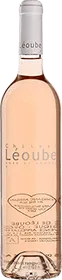
Château Léoube : Le Secret de Léoube 2025
In-Stock
Let's talk about this product!
A pairing in mind? A question about the vintage? Comparison with another product? Find the answers here...
Description
Characteristics and tasting advice for Secret de Léoube 2025
Tasting
Appearance
With a very pale pink hue, clear and brilliant, the wine reveals subtle golden highlights.
Nose
Floral and springtime aromas intertwine with exotic nuances, accompanied by delicate fragrances of red berries, citrus fruits, and white fruits. Notes of hawthorn and quince, enhanced by hints of lemon and spice, complete this refined aromatic palette.
Palate
The palate develops an elegant and full profile. The attack shows a distinct freshness, followed by a delicate creaminess that unfolds into a substantial fruity structure. The texture remains silky and finely detailed, offering captivating aromas of fresh citrus and white fruit notes, leading to a peppery finish. The refined structure conceals its power beneath a silky finesse, with remarkable persistence.
Food and wine pairings
Secret de Léoube 2025 pairs beautifully with Mediterranean and exotic cuisines. It complements Provençal dishes, rich white-fleshed fish, steak tartare, grilled meats, lamb or veal chops. Delicate shellfish, lobster prepared Provençal-style, and oysters also make particularly harmonious pairings. Fresh and semi-hard cheeses such as feta, mozzarella di bufala, and fresh goat cheeses pair deliciously with this rosé.
Serving and cellaring
This wine should be enjoyed well chilled, ideally between 46 and 54°F (8–12°C). It benefits from moderate aeration of 15 to 30 minutes after opening. This rosé can be enjoyed immediately but has an aging potential of approximately 2 to 3 years under proper conditions. It develops greater complexity and a creamier mouthfeel after a few months in bottle.
A full-bodied and structured Provence rosé by Château Léoube
The estate
The Château Léoube, acquired in 1997 by Lord and Lady Bamford, spans 560 hectares in the heart of the protected Cap Bénat site, in the commune of Bormes-les-Mimosas. A pioneer of organic wine in Provence, the estate undertook a complete transformation of its land starting in 2000 under the direction of Romain Ott, an agronomist and oenologist from a family of winemakers spanning four generations. The first vintage worthy of the Château Léoube name was bottled in 2008, the same year the estate obtained Ecocert organic certification. Today, the estate cultivates 70 hectares of vineyards according to organic and biodynamic principles, producing wines recognized worldwide for their outstanding quality and exemplary environmental commitment.
The vineyard
Secret de Léoube 2025 is a rosé wine from the Côtes de Provence appellation, produced from vines averaging around 30 years of age. The vineyard benefits from an exceptional geographical location on the rocky peninsula of Cap Bénat, facing the Hyères islands, with four kilometers of Mediterranean coastline. The terroir features a geological composition characterized by a distinctive blend of schist and clay, rich in minerals as a result of ancient marine geological formations. The proximity to the sea generates a daily sea breeze and cool nights that temper the intensity of the summer sun. The region enjoys approximately 3,000 hours of sunshine annually. The vines are cultivated according to certified organic farming principles, with harvesting carried out exclusively by hand.
Winemaking and aging
Winemaking involves gentle direct pressing, a technique specifically mastered by the estate for rosé production. Alcoholic fermentation takes place in temperature-controlled stainless steel tanks, followed by partial malolactic fermentation. The wine then rests on fine lees for six months before being bottled in spring after natural clarification by settling. This deliberate technical approach gives the wine its aromatic depth, balance on the palate, and aging potential.
Grape varieties
Grenache, Cinsault, and Cabernet Sauvignon.