Assistant



 Guaranteed provenanceDirect from the estates
 DeliveryFree Home delivery for orders exceeding €300
 Secure PaymentVisa, American Express, Mastercard...

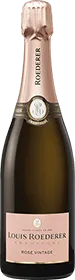
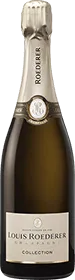
Louis Roederer : Rosé Vintage 2013
Stock currently at the producing estate – Will ship after October 14, 2026
Let's talk about this product!
A pairing in mind? A question about the vintage? Comparison with another product? Find the answers here...
Description
Characteristics and tasting tips for the Rosé Vintage 2013 from Louis Roederer
Tasting
Appearance
The appearance reveals a delicate and luminous pale pink hue, enlivened by fine and elegant effervescence.
Nose
The nose reveals a refined bouquet of freshly picked tart red fruits, dominated by notes of wild strawberry and raspberry. With aeration, aromas of lemony flower petals emerge, accompanied by nuances of fresh almonds, bread and spices evoking cocoa bean.
Palate
On the palate, the champagne is intense, velvety and captivating. The silky, smooth texture is accompanied by a vibrant and penetrating freshness. The juicy, concentrated red fruits gradually evolve toward a raspberry liqueur character, enhanced by sweet and invigorating citrus aromas. The creamy bubbles bring a sensation of roundness and concentration. The finish, fresh, long and highly persistent, is characterized by a velvety sweetness supported by a pleasant salinity and delicate tannic notes derived from the flesh and skin of the Pinot Noir. The mineral freshness extends the palate with a vertical, chalky, saline and savory sensation.
Food and wine pairing
This vintage rosé champagne pairs beautifully with fish such as salmon and tuna. It also pairs well with white meats such as lamb, veal, guinea fowl and other poultry.
Serving and storage
The Rosé Vintage 2013 is best enjoyed at a temperature of 12°C. This champagne can be appreciated now and will continue to evolve favorably for several years thanks to its structure and aging potential.
A vintage rosé champagne of remarkable elegance and precision from Maison Louis Roederer
The estate
Founded in 1776 in Reims, Louis Roederer has remained a family-owned and independent champagne house for nearly 250 years. Now led by Frédéric Rouzaud, representing the seventh generation, the Maison owns an exceptional vineyard of 250 hectares spread across 420 plots throughout Champagne. A pioneer in sustainable viticulture, Louis Roederer cultivates 135 hectares under certified organic agriculture and over 100 hectares under biodynamics, making it the largest certified organic estate in the region. The property embodies champagne excellence through cuvées crafted with meticulous care and a unique single-plot approach.
The vineyard
The Rosé Vintage 2013 comes from two carefully selected exceptional terroirs in Champagne. The Pinot Noir comes from Cumières, a south-facing hillside site in the Montagne de Reims, characterized by shallow clay-limestone soils that promote exceptional phenolic ripeness. The Chardonnay comes from Chouilly, a premier cru terroir on the Côte des Blancs with north-facing slopes, producing grapes of remarkable freshness, minerality and precise acidity. This combination of terroirs achieves the perfect balance between the fruity ripeness of the Pinot Noir and the mineral vivacity of the Chardonnay.
The vintage
The 2013 vintage in Champagne was characterized by a particularly late growing cycle. An interminable winter and an exceptionally cool spring delayed flowering until early July, a phenomenon rarely observed in the region. Fortunately, a truly magnificent summer, marked by generous sunshine, record temperatures and very low rainfall, allowed optimal ripening of the grapes. The harvest took place in October under cool autumnal conditions, giving the wines characteristic elegance, freshness and acidity expression. This vintage is considered classic by the house, combining ripe fruit character with precise acid structure.
Winemaking and aging
The Rosé Vintage 2013 was crafted using the house's proprietary technique called "infusion," allowing a perfect integration of the grape varieties. This method involves a cold maceration during which selected Chardonnay juice is added to a Pinot Noir maceration, with both components then fermenting together. 20% of the wine was aged in old French oak barrels, adding complexity and texture, while the remaining 80% was vinified in stainless steel tanks to preserve freshness and terroir expression. The champagne benefited from approximately four years of aging on lees before disgorgement, followed by a minimum rest of six months to allow optimal final integration.
Grape varieties
Pinot Noir (55%)
Chardonnay (45%)