René Gabriel
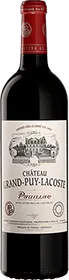
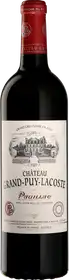
90: Barrel sample (19/20): Very probably the best wine produced at this estate in this century. Anyone who has ever been lucky enough to drink a ’79 in full bloom knows what kind of potential lies in this estate’s soils. Sweet, complex bouquet, a touch of vanilla, rich, multi-layered aromas. On the palate elegant, yet endowed with huge extract potential. It will also be one of the best Pauillac of the vintage. Arrivage (19/20): Smoke, warm fruit, cinnamon, powerful, deep, alluring. Long build with masses of medium-fine tannins, cassis, then vanilla pods, peppery extract in the fruit flesh, a long life ahead. Some fellow tasters shake their heads at my score—the years will prove me right. Enjoyed at our wedding celebration in 1998 from Impériale bottles. Nothing noted, but drunk heartily.
96: When I tasted this wine from barrel in 1990, I was pretty much alone with my high rating. Buying 120 bottles of a single wine for a private cellar can safely be called madness. In the meantime, I’ve drunk it from a stunning half-bottle as well as from an equally promising standard bottle.
01: Drunk again and again, often unconsciously. And more and more letters from readers of my book “recommended” that I taste the wine again sometime. Tonight, on this Sunday evening, I feel like Albert Einstein (“Only now do I know that I know nothing!”): the color bright, completely intact, few mature tones, only slightly lightening. The bouquet slender, rather harmless, showing Tuscan herbal notes, behind that leather, bast wood, earthy terroir tones. On the palate also tending to slender, fading fruit, red elderberry, getting ever sweeter; after an hour raspberries and peach pits; still-forming tannins, furry tongue, supporting structure. Is it in a gentle, self-effacing reductive phase, or have I misled myself for nothing? Or was the ’89 GPL merely a fruit-phase wine? I simply don’t believe it, because I’ve probably drunk the ’79 a hundred times and I also know the ’86 is still nowhere near. So a bona fide Pauillac should still grow up here. Otherwise I will apologize publicly for it. Current score: 17/20, coupled with great hope.
01: March: Served blind, opened two hours earlier: earthy, fruitless and banal. Are there not only different opinions, but also different bottles?
02: Fruity, compact bouquet, lots of red and blue berries, also cherries, spicy, deep, undeveloped. Juicy, powerful palate, again lovely berry-fruit tones, ripe but marked tannins, a rough-and-ready wine with unpolished greatness, yet somehow not showing the class once suspected (17/20).
04: Specifically to re-examine the topic of GPL 1989, opened a bottle and followed it over two hours: fairly dark color, few mature tones. At first a smoky bouquet, quite deep, then the wine turns more fruity and shows blackberry outlines. Fine astringency—so much more elegant than two years ago—nice fullness and also elegance. And with every sip I’m more certain: this wine will return in top form, because its true drinking window hasn’t even begun yet. Decant one hour (18/20).
05: The wine is becoming ever finer and more elegant, almost like a delicate Saint Julien (18/20).
06: At the big gala evening in Vitznau. You can sense the great potential and the wine has stepped up again. But if you know the ripe beauty of the ’90, you know this wine (still) needs a little time. You can, however, coax it out of the bushes slowly with cool, long decanting.
08: Drunk a few times recently and—based on experience—always decanted for about two hours. It is now entering its very first enjoyable maturity and only now, after long worry, is it showing its true greatness.
11: A magnum at Grand Puy-Lacoste. For the first time showing a tiny bit of its greatness. So anyone with a decanter and a few hours can slowly begin. (19/20).
14: Magnum. Still quite dark, little-evolved red, with a very finely lightening rim at the edge. The bouquet holds back in the first minutes. Tar notes signal an exciting depth, dried plum skins, California prunes, licorice, ground black pepper, dry and—unfortunately still—quite reductive. On the palate firm, showing a pleasant sweetness; because of still fairly active tannins, the overall balance isn’t fully achieved yet. The wine still has quite a lot in reserve and it’s hard to believe, but given the classicism it promises within, I would decant it for a very long time—or simply wait. Perhaps this was a situation triggered by the magnum format. (18/20).
15: Because I was still pretty sure, I forgave it almost everything. Today, unfortunately, after 25 years of bottle age, it’s time to take stock. And it doesn’t look so good. It’s still a very good Pauillac, but it no longer performs. Sadly, it loses a full two points from its best scores. (18/20).
16: Medium garnet with the first hint of maturity. The nose needed about 10 minutes of air to get going, then the bouquet picked up cautiously but steadily. It conveys the plummy 1989 sweetness—without the impression of overripe fruit like many other comparable crus. After a quarter hour, discreetly lactic, which is attributable to the softer, respectively lower, acidity. It becomes ever fuller and reflects terroir warmth in the form of summer truffles. The palate shows charm, pleasant fullness and round, mature tannins. Now for the first time (after long closed years) in sustained drinking maturity. A noble cru! For the moment it still stands behind its own 1990. (18/20).
17: Magnum. Dark wine-red with a dense core. The profound bouquet smells of suede, musk, plums and truffles, showing a baroque depth while fishing a wonderfully sweet terroir note out of the ground. On the palate firm, fleshy with balanced astringency; the tannins develop only slowly with bottle age, but are fortunately coated on the outside with a melt-in texture. A great wine on the way to becoming a classic. Decant one hour. This magnum: 19/20.
19: Magnum. Dark wine-red, dense in the middle, almost no mature tones visible yet. The bouquet is mature, shows plum-sweet nuances and clearly conveys the high ripeness, respectively the heat of the vintage. On the second nose you find chocolate notes and truffly hints, and it gives fairly full contours. On the palate juicy, elegant and beautifully balanced. Now in full maturity. The first magnum was slightly corked. The second fully met my expectations. Brilliant Grand-Puy-Lacoste! (19/20).
19: One of the darkest colors in this series. The immediately appealing bouquet is open right from the start, shows Damassine plums, blackberries and blueberries and, with its fullness, suggests buttery contours. On the palate it is complex and smooth at the same time. The finish brings in a finely smoky, spicy, subtly stemmy Cabernet spice. Here you find the explanation for the adjective “drinkability.” It is at its peak and, thanks to its excellent balance, should be able to hold it for a long time. So there is absolutely no hurry. (19/20).
19: Magnums. Still youthful and dark. The bouquet delivers plenty of dark berries, especially blackberries, expansive, with a finely buttery fullness. Juicy, super-elegant palate with enchanting balance, very long and endowed with near-record drinkability. Sensational magnums at the highest level of enjoyment. Also went down very well with the audience—despite tough Premier competition in the same flight. (19/20).





 DeliveryFree standard delivery for orders exceeding 2,250 kr.