

 Guaranteed provenanceDirect from the estates
 DeliveryFree for purchases over 3,315 SEK
- Secure PaymentVisa, American Express, Mastercard...
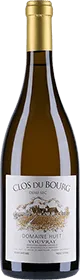
Domaine Huet : Clos du Bourg Première Trie Moelleux 2018
Only 1 available
In-Stock
Description
Tasting characteristics and advice for the Clos du Bourg Première Trie Moelleux 2018 from Domaine Huet
Tasting
Appearance
The wine displays a bright golden-yellow hue, reflecting the concentration of botrytized grapes and the wine’s richness.
Nose
The nose reveals remarkable aromatic complexity. Exotic fruit scents such as mango and pineapple mingle with notes of quince and quince jelly. The bouquet is enriched by nuances of honey, caramel, and delicate touches of cinnamon and white chocolate. Subtle aromas of fresh ginger, acacia blossom, and elderflower complete this refined aromatic palette.
Palate
On the palate, the wine glides across with a perfectly integrated, silky sweetness. Lively acidity brings striking freshness, balancing the wine’s richness and preventing any heaviness. Fine tannins provide structure, while minerality adds tension and elegance. Flavors of applesauce intertwine with dried fruits, extending the aromatic impressions. The finish is exceptionally persistent, evolving toward an increasingly mineral character.
Food and wine pairings
This sweet wine pairs beautifully with Asian cuisines featuring sweet-spicy flavors, notably Thai and Vietnamese dishes. It also matches well with seafood, such as lobster poached in butter, scallops with citrus, or oysters. Creamy poultry dishes, like chicken with morels, make a classic pairing. Aged Loire goat cheeses create perfect harmony. For dessert, it elevates pear- or strawberry-based preparations, a warm tarte Tatin served with vanilla ice cream, or a mille-feuille.
Serving and cellaring
Clos du Bourg Première Trie Moelleux 2018 can be enjoyed now and will continue to evolve until around 2037, or even beyond. This wine has exceptional aging potential, allowing it to develop greater complexity and deeper mineral character over time.
An exceptional sweet Vouvray combining richness and minerality
The estate
Founded in 1928 by Victor Huet, Domaine Huet stands as the benchmark for Chenin Blanc in the Loire Valley. The estate now spans three prestigious parcels on the Première Côte: Le Haut-Lieu, Le Mont, and Clos du Bourg. A pioneer of biodynamics as early as 1990 and Demeter-certified in 1993, the estate has been majority-owned by Anthony Hwang since 2003, with Benjamin Joliveau overseeing winemaking since 2020. The Hwang family, with Sarah and Hugo Hwang, ensures the continuity of the estate’s excellence and philosophy, producing wines recognized worldwide for their purity and remarkable ability to age.
The vineyard
Clos du Bourg is a historic six-hectare plot enclosed by medieval walls, located on the Première Côte above the church of Vouvray. This vineyard benefits from a due-south exposure and sits on exceptionally shallow clay-limestone soils, with the tuffeau limestone bedrock sometimes surfacing less than a meter below. This configuration forces Chenin Blanc roots to penetrate directly into the limestone rock, giving the wine its signature mineral intensity. The nearby Loire below brings morning mists that encourage the development of noble rot, while generous sunshine accelerates ripening while preserving the grape’s natural acidity.
The vintage
The 2018 vintage in the Loire Valley was marked by favorable conditions, with warm temperatures and adequate humidity during the critical ripening phases. These conditions enabled optimal development of noble rot in well-managed vineyards. Clos du Bourg benefited particularly from this context, producing grapes that combined richness with structuring acidity—an ideal balance sought for great age-worthy sweet wines.
Winemaking and aging
The Clos du Bourg Première Trie Moelleux 2018 harvest was carried out by hand in successive passes, selecting only berries affected by noble rot at the optimal stage. After gentle pressing to avoid any oxidation, the musts were divided between large 600-liter wooden vats and stainless-steel tanks. Fermentation occurred spontaneously thanks to indigenous yeasts, a process that extended over several months due to the high sugar concentration. Malolactic fermentation was deliberately limited to preserve the wine’s characteristic brisk acidity. Aging on fine lees in used barrels brought complexity and texture without masking the fruit with oaky notes. Bottling took place in the spring following the harvest.
Grape variety
100% Chenin Blanc.