

 Guaranteed provenanceDirect from the estates
 DeliveryFree for purchases over 3,315 SEK
- Secure PaymentVisa, American Express, Mastercard...
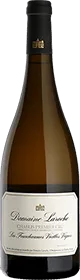
Domaine Laroche : Chablis 1er cru "Les Vaudevey" 2014
Only 1 available
In-Stock
Description
Tasting characteristics and serving tips for the Chablis Premier Cru "Les Vaudevey" 2014 from Domaine Laroche
Tasting
Color
The wine displays a bright golden hue.
Nose
The nose opens on a complex, intense bouquet, revealing aromas of mango, citrus fruits and grated almond, enhanced by a subtle touch of white chocolate. With aeration, notes of Golden Delicious apple, lemon zest and brioche gradually emerge.
Palate
The attack is defined by a fine, precise line of acidity. The palate reveals a beautiful concentration of citrus fruit, lemon zest and green Granny Smith apple. The structure stands out for its marked liveliness and refreshing salinity. The finish, more restrained and stony, offers a lingering chalky minerality that elegantly frames the fruity flavors.
Food and wine pairings
This Chablis Premier Cru "Les Vaudevey" 2014 pairs perfectly with oysters and other seafood, whose natural salinity echoes the wine’s minerality. It also complements smoked salmon, shellfish such as crab or lobster, and Japanese cuisine dishes like sushi and sashimi with elegance. Fresh goat cheeses and delicate white fish, steamed or lightly pan-seared, also make excellent gastronomic partners.
Serving and cellaring
This Chablis Premier Cru "Les Vaudevey" 2014 can be enjoyed now and will continue to evolve until around 2024. The wine will reach its optimal profile after about five years of aging and can be comfortably cellared for eight to ten years following the harvest.
A Chablis Premier Cru from Burgundy with crystalline minerality and remarkable balance
The estate
Founded in 1850 by Jean-Victor Laroche, Domaine Laroche has gradually established itself as one of the leading owners of Premier and Grand Cru vineyards in Chablis. The estate now owns ninety hectares of vines, including thirty hectares classified as Premier Cru and six hectares as Grand Cru. Since 2010, the estate has operated within the Advini group and is currently led by Jean-Baptiste Mouton as Managing Director, with Romain Chevrolat overseeing wines and vineyards. The historic headquarters, the Obédiencerie—an edifice dating from the ninth century and listed as a Historic Monument—remains the heart of production. The estate stands out for its commitment to sustainable viticulture and biodynamics for its Grand Cru parcels.
The vineyard
The Vaudevey Climat is a distinctive Premier Cru located on the left bank of Chablis, forming a forty-hectare viticultural island. The vineyard benefits from a particular southeast exposure where the sun appears only early in the morning and disappears by mid-afternoon. This limited exposure, intensified by the north wind funneling through the narrow valley, creates a cool climate that promotes slow, gradual ripening of the grapes. The topography is defined by extremely steep slopes, requiring exclusively hand harvesting. The subsoil consists of a thick layer of Kimmeridgian marl, a unique geological formation dating back 180 million years, which gives the wine its intense minerality, natural structure and the hallmark salinity typical of Burgundy.
The vintage
The 2014 vintage in Chablis benefited from generally favorable weather conditions, allowing adequate ripening of the grapes while preserving the natural acidity characteristic of this northerly climate. The grapes reached full ripeness without excessive overripeness, maintaining high acidity levels while developing a satisfying fruit concentration.
Winemaking and aging
The Chablis Premier Cru "Les Vaudevey" 2014 comes from the largest parcel within this Climat, of which Domaine Laroche owns approximately ten hectares. The grapes are harvested by hand according to the estate’s exacting quality standards. 15 % of the volume is fermented in neutral oak barrels for nine months, while the rest undergoes fermentation in stainless-steel tanks. Fermentation is carried out with the indigenous yeasts naturally present. After completion of malolactic fermentation, the wine remains in extended contact with fine lees for about six months, enriching texture and developing additional complexity.
Grape variety
100% chardonnay.