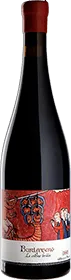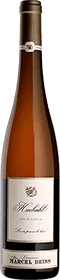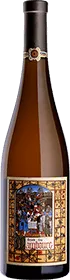


Domaine Marcel Deiss : Burlenberg 2016
Only 2 available
5% off orders of 12 bottles or more. Offer valid on a selection of wines, mix and match possible.
In-Stock
 DeliveryFree for purchases over 3,315 SEK
 Guaranteed provenanceWines sourced directly from the producing estates
Marks and reviews
 Vinous - A. Galloni
Description
Tasting Notes and Recommendations for the Burlenberg 2016 from Domaine Marcel Deiss
Tasting
Color
The wine displays a deep ruby-red hue, lifted by dark highlights that speak to its intensity and concentration.
Nose
The nose opens on a visceral bouquet dominated by hallmark earthy aromas, alongside subtle smoky notes and ripe cherry. This aromatic complexity recalls the distinctive mineral geology of the volcanic terroir.
Palate
On the palate, the wine stands out for its dense, inky structure, offering remarkable substance while retaining striking freshness. The palate reveals complex layers, including notes of candied cherry, bitter chocolate, delicate spice, smoked peach, and a saline minerality. The tannins are velvety rather than astringent, while the finish lingers impressively, with a slight mineral bitterness that adds sophistication and definition.
Food and Wine Pairings
The Burlenberg 2016 pairs beautifully with red meats and game such as duck, quail, wild boar, or venison. It also harmonizes with earthy mushroom dishes such as porcini, morels, or chanterelles, as well as with aged semi-hard to hard cheeses. Savory pastries featuring foie gras also make excellent gastronomic pairings.
Serving and Cellaring
The Burlenberg 2016 has substantial aging potential, allowing it to evolve and gain complexity over several decades.
An Alsace Red Wine from an Exceptional Volcanic Terroir from Domaine Marcel Deiss
The Estate
Founded in 1947 by Marcel Deiss after returning from World War II, the Domaine Marcel Deiss is now led by Jean-Michel Deiss, who took the helm in 1973, assisted by his son Mathieu since 2008. Based in Bergheim in Alsace, this 26- to 27-hectare estate embodies a revolutionary philosophy of terroir expression through its pioneering practice of field blending at harvest. Certified biodynamic since 1998, the estate stands out for its nonconformist approach, which has fundamentally redefined the possibilities for quality and authenticity in contemporary Alsace.
The Vineyard
The Burlenberg vineyard, classified as Premier Cru by the estate, enjoys a singular location in Bergheim with full southern exposure and a sheltered setting high above the valley. The terroir is composed of a Jurassic rocky substrate containing fossils and flat Quaternary limestones, creating an exceptionally favorable soil environment for growing Pinot Noir. The limestone soils of this Alsace vineyard show a striking similarity to the terroirs of the Côtes de Nuits in Burgundy. The vineyard’s relatively cool climate, combined with poor, challenging soils, forces vines planted between 1977 and 1997 into late yet concentrated ripening. The high planting density compels root systems to probe deep into the ground, resulting in vines that produce small, highly concentrated berries.
Winemaking and Aging
The winemaking of the Burlenberg 2016 follows the estate’s hallmark non-interventionist philosophy. The grapes were harvested entirely by hand, then slowly and gently pressed in a basket press. The resulting must was allowed to settle naturally at cellar temperature before initiating a spontaneous fermentation using indigenous yeasts naturally present on the grape skins. The Burlenberg 2016 is aged for twenty-four months in oak barrels, with 33% of the volume in new oak and 67% in previously used barrels. Throughout this aging period, the wine rests on its fine lees without stirring, thereby preserving the wine’s aromatic balance and sensory complexity.
Grape Varieties
Pinot Noir and Pinot Beurot, field-blended on volcanic terroir.