Discover your 100% Free Loyalty Programme | Discover

Need help?



Log Out


Brandy
Spirits offer an extraordinary palette: distilled from wine, cider, grains or fruits, they can also take the form of liqueurs with notes of alpine herbs, citrus, stone fruits or flowers. Each bottle...Read More
Products (12)

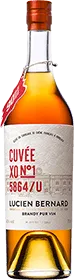
Limited 90th anniversary edition, a blend from 4 countries, indulgently smooth with vanilla notes.
898,00 kr Incl. VAT
(
898,00 kr / Unit
)In-Stock
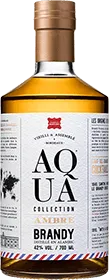
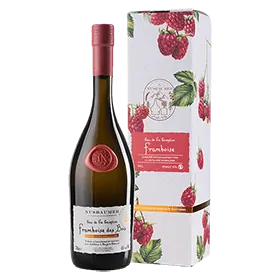
No Discount Applicable
962,00 kr Incl. VAT
(
962,00 kr / Unit
)In-Stock
No Discount Applicable
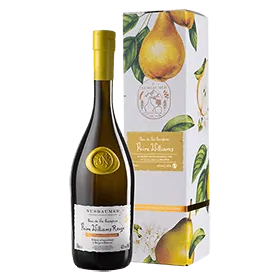
Born from macerated red-skinned Williams pears, with a grainy texture and a juicy finish.
923,00 kr Incl. VAT
(
923,00 kr / Unit
)In-Stock
Single bottle sale
-5%, -10%, -15%: enjoy progressive discounts based on the quantity ordered*


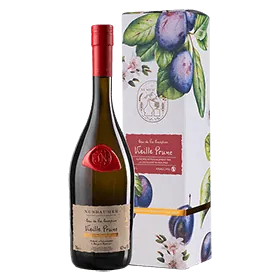
No Discount Applicable
689,00 kr Incl. VAT
(
689,00 kr / Unit
)In-Stock
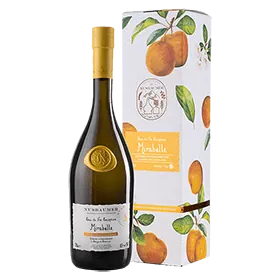
No Discount Applicable
927,00 kr Incl. VAT
(
927,00 kr / Unit
)In-Stock
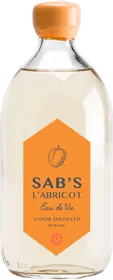
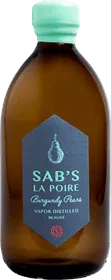
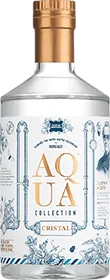
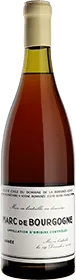
21 253,00 kr Incl. VAT
(
21 253,00 kr / Unit
)In-Stock
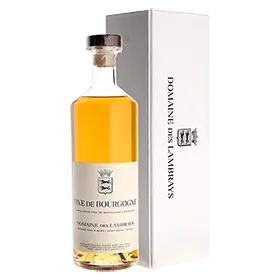
No Discount Applicable
3 351,00 kr Incl. VAT
(
3 351,00 kr / Unit
)In-Stock
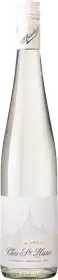
No Discount Applicable
3 811,00 kr Incl. VAT
(
3 811,00 kr / Unit
)In-Stock