

 Guaranteed provenanceDirect from the estates
 DeliveryFree for purchases over 3,315 SEK
- Secure PaymentVisa, American Express, Mastercard...

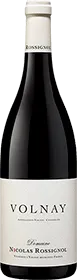
Domaine Nicolas Rossignol : Volnay Village 2018
In-Stock
Description
Characteristics and tasting advice for the Volnay Village 2018 from Domaine Nicolas Rossignol
Tasting
Appearance
The wine displays a bright, precise ruby hue, characteristic of a high-quality Pinot Noir.
Nose
The bouquet is focused and generously spicy, unveiling fragrant notes of raspberry, ripe plum, lavender and violet.
Palate
On the palate, the wine is vigorous and lively, with incisive acidity and fine tannins. The underlying minerality reflects the limestone and clay components of the terroir. The fruity core reveals fleshy plums, wild berries, chocolate and earthy notes. On the sumptuous finish, spicy hints of white pepper emerge, bringing an extra dimension to the whole.
Food and wine pairings
This Volnay Village 2018 pairs perfectly with rich poultry such as duck, goose, quail or roasted pigeon. It also matches beautifully with a mushroom risotto, whose earthy notes echo the wine’s minerality. Roasted red meats, notably beef or simply prepared game, also make excellent pairings. Finally, aged cheeses such as Comté or Alpine Gruyère provide a harmonious complement to this cuvée.
Serving and cellaring
This Volnay Village 2018 can be enjoyed now, but it also offers cellaring potential through around 2030 under good storage conditions.
A dense, elegant Volnay, true to the expression of Burgundy’s terroir
The estate
Domaine Nicolas Rossignol was founded in 1997 by Nicolas Rossignol, representing the fifth generation of winegrowers in Volnay. Established in the heart of the Côte de Beaune in Burgundy, the estate now spans around 17 hectares across six communes. In 2011, Domaine Rossignol-Jeanniard merged with Domaine Nicolas Rossignol, unifying all production under a single entity. Nicolas Rossignol personally runs the estate and crafts wines that prioritize elegance and the expression of terroir. Since 2016, the domaine has had a modern cellar in Beaune, designed for gravity-flow winemaking and work that respects the fruit. The estate’s philosophy is based on listening to and guiding the grapes, with biodynamic-inspired viticulture and minimal intervention in the cellar.
The vineyard
This Volnay Village is the result of a blend of five parcels located at the foot of the slopes within the appellation, including Les Buttes, Les Grands Champs, Les Famines and Les Lurets. The vines, aged from 10 to 60 years, grow on soils of chalk and clay over a limestone base. Four parcels are planted on clay soils at the bottom of the hillside, while a fifth parcel sits on white soils at higher altitude. This diversity of terroirs brings complexity and depth to the wine. The vineyard is farmed according to sustainable practices, without chemical herbicides, with mechanical soil work through regular plowing.
The vintage
The 2018 vintage in Burgundy began with a rainy winter and early spring, replenishing water reserves. A heatwave at the end of April allowed the vines to catch up. Flowering took place under favorable conditions, although slightly less ideal for reds than for whites. July saw a few storms, including a hail episode in early July near Beaune. Summer then set in with warm, dry conditions through harvest. Significant rainfall at the end of August brought nearly 40 millimeters in the Volnay area, before a return to dry weather until October. The grapes ripened quickly, with high sugar levels requiring precise management of picking dates. The vintage produced wines characterized by pure fruit, lovely density, silky textures and ripe tannins.
Winemaking and aging
The Volnay Village 2018 was harvested by hand into small 8-kilogram crates. After rigorous sorting on a vibrating table and by hand selection, the grapes were vinified with 50% whole clusters, without punch-downs. Alcoholic fermentation took place naturally with indigenous yeasts over six to eight days, with pump-overs and punch-downs adapted as needed. The wine was then transferred by gravity into carefully selected oak barrels, with around 10 to 15% new oak. Aging continued on fine lees for 10 to 20 months, without racking. Malolactic fermentation was deliberately delayed by about six months to bring aromatic complexity and structure. The wine was bottled without fining or filtration, according to the lunar calendar.
Grape variety
100% Pinot Noir