

 Guaranteed provenanceDirect from the estates
 DeliveryFree for purchases over 3,315 SEK
- Secure PaymentVisa, American Express, Mastercard...

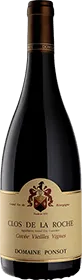
Domaine Ponsot : Clos de la Roche Grand cru "Cuvée Vieilles Vignes" 2017
In-Stock
Description
Characteristics and tasting advice for the Clos de la Roche Grand Cru "Cuvée Vieilles Vignes" 2017 from Domaine Ponsot
Tasting
Appearance
The color displays a deep ruby hue with garnet highlights, bright and clear.
Nose
The nose reveals great aromatic complexity, with notes of dark fruits such as plum and blackcurrant, alongside red fruits like cherry and raspberry. Floral nuances of peony mingle with citrus touches, notably orange zest. Aromas of undergrowth and truffle also emerge, along with spicy notes of cinnamon and licorice, and a hint of menthol.
Palate
On the palate, the wine shows remarkable concentration while retaining exceptional elegance. The tannins are silky and perfectly integrated, offering a velvety texture. The palate expresses flavors of black cherry, plum compote and blackcurrant, evolving toward notes of truffle, tobacco and black pepper. The acidity brings refreshing lift and fine tension. The finish stands out for its persistent length and pronounced mineral character.
Food and wine pairings
This Clos de la Roche Grand Cru "Cuvée Vieilles Vignes" 2017 pairs beautifully with fine game such as roe deer with Grand Veneur sauce or wild boar. It also matches well with aged cuts of beef, notably tenderloin or a roasted rib of beef. Truffle-based dishes, such as a truffle risotto, create a harmonious pairing. Aged soft cheeses such as Époisses also make an excellent accompaniment.
Serving and cellaring
The Clos de la Roche Grand Cru "Cuvée Vieilles Vignes" 2017 can be enjoyed now, but it will gain in complexity over time. It is recommended from 2027 through the early 2040s. Decanting for one to two hours will allow the wine to fully open up.
A Burgundy Grand Cru of power and silkiness
The estate
Founded in 1872 by William Ponsot, the Domaine Ponsot is one of the most prestigious family estates in the Côte de Nuits in Burgundy. Based in Morey-Saint-Denis, the estate spans around eight hectares of vineyards, including parcels in Clos de la Roche and Clos des Monts-Luisants. A pioneer of estate bottling as early as 1921, the domaine also played a major role in Pinot Noir clonal selection during the 1960s. Since January 2020, Rose-Marie Ponsot has led the estate, carrying on more than one hundred and fifty years of commitment to the authentic expression of Burgundian terroirs and respect for traditional winegrowing practices.
The vineyard
The Clos de la Roche covers around sixteen hectares and is the largest Grand Cru in Morey-Saint-Denis. The vines grow on lean clay-limestone soils strewn with limestone stones, above a bedrock of Jurassic Comblanchien and Premeaux limestones. Located on northeast-facing slopes at an altitude between 250 and 300 meters, they benefit from optimal exposure and temperature swings that encourage gradual ripening. The Cuvée Vieilles Vignes comes from vines averaging sixty-five years of age, spread over around 3.2 hectares. The blend combines two-thirds of fruit from Clos de la Roche and one-third from Clos des Monts-Luisants, located at the foot of the hillside. The estate practices conscientious viticulture, favoring soil work without herbicides and late hand-harvesting to achieve optimal phenolic ripeness.
The vintage
The 2017 vintage in Burgundy began early, with a mild winter followed by a spring with no major stress. Summer was sunny and relatively dry, allowing the grapes to ripen steadily. Balanced weather conditions helped deliver ripe fruit without excessive concentration, preserving the freshness and elegance that are hallmarks of the terroir. Harvest took place in favorable conditions, making it possible to pick grapes at optimal ripeness with a fine balance between aromatic concentration and natural acidity.
Winemaking and aging
The Clos de la Roche Grand Cru "Cuvée Vieilles Vignes" 2017 is vinified in a traditional spirit, prioritizing respect for the fruit and the expression of terroir. Hand-harvested grapes ferment with indigenous yeasts in open tronconic wooden vats, without automated temperature control. Vinification follows no fixed recipe, adapting to the specific characteristics of each parcel and each vintage. Aging takes place for around eighteen months in French oak barrels that have held at least one previous wine, deliberately limiting the use of new oak to preserve aromatic purity. The wine is neither fined nor filtered, allowing natural clarification by gravity settling.
Grape variety
100% Pinot Noir