

 Guaranteed provenanceDirect from the estates
 DeliveryFree for purchases over 3,315 SEK
- Secure PaymentVisa, American Express, Mastercard...
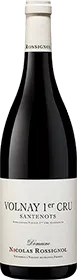
Domaine Nicolas Rossignol : Volnay 1er cru "Santenots" 2020
Stock currently at the producing estate – Will ship after 14 October 2026
Description
Characteristics and tasting advice for the Volnay 1er cru "Santenots" 2020 from Domaine Nicolas Rossignol
Tasting
Appearance
The wine displays a bright ruby-red color, enhanced by delicate violet highlights that reflect the elegance and finesse of this premier cru.
Nose
The bouquet charms with its delicacy and aromatic complexity. It reveals a lovely array of red fruits, notably cherry and raspberry, accompanied by floral notes of violet. Spicy touches of cinnamon and clove add an extra dimension, while a fine minerality underscores the expression of the terroir.
Palate
On the palate, this wine stands out for its elegance and silky texture. The tannins are fine and well-integrated, offering a velvety feel with no astringency. Lively, well-integrated acidity brings freshness and energy to the whole. The finish lingers at length on refined fruity notes, with a mineral persistence that reflects the balance and complexity of this wine.
Food and wine pairings
This Volnay 1er cru "Santenots" 2020 pairs perfectly with roasted and lacquered poultry, as well as delicate white meats. It also matches beautifully with tender cuts of beef or veal, and with characterful aged cheeses.
Serving and cellaring
It is recommended to serve this Volnay 1er cru "Santenots" 2020 at a temperature between 14 and 16°C. Decanting at room temperature (16-18°C) will allow the wine to open up and fully express its aromas. This wine can be enjoyed now but will continue to evolve until around 2045.
A premier cru from Burgundy combining Burgundian elegance and the mineral character of the Santenots terroir
The estate
Founded in 1997, the Domaine Nicolas Rossignol now covers 17 hectares across nearly thirty appellations in the Côte de Beaune in Burgundy. Nicolas Rossignol, the fifth generation of winegrowers in Volnay, has personally run the estate since its creation. After gaining international experience at several prestigious estates, he developed a winemaking philosophy based on listening to and guiding the grapes rather than extraction. In 2011, the Rossignol-Jeanniard family estate merged with Domaine Nicolas Rossignol. In 2016, the property equipped itself with a modern winery in Beaune, designed to best respect the expression of the terroirs. The estate is recognized by critics for its terroir-driven approach and the elegance of its wines.
The vineyard
The Volnay 1er cru "Santenots" comes from a distinctive terroir located geographically in the commune of Meursault, but benefiting from the Volnay appellation for red wines. This Climat covers about eight hectares and is characterized by shallow red clay soils resting on a limestone base. The high iron content gives the soils a distinctive reddish color and brings a particular mineral signature to the wines. Large, round stones dot the clay matrix. The estate’s parcels combine younger vines of around twenty years with older vines sixty to seventy years old, creating a complementarity between freshness and concentration.
The vintage
The 2020 vintage is considered the finest vintage in the Côte de Beaune since 2015. The year was marked by a hot, dry climate that, against all expectations, produced wines of exceptional freshness. Summer conditions led to a natural concentration of acids, notably tartaric acid, creating a remarkable balance between ripeness and vibrancy. The absence of frost and hail allowed the grapes to reach optimal maturity. The tannins proved ripe and well-coated. The concentration of the grapes was such that it took around 360 kilograms of fruit to produce one barrel, versus 315 kilograms usually.
Winemaking and aging
The Volnay 1er cru "Santenots" 2020 grapes are harvested by hand, with the fruit placed in small eight-kilogram crates to preserve their integrity. After a rigorous double sorting, part of the grapes is destemmed, while a reasonable proportion is vinified as whole clusters to bring roundness and silkiness. Alcoholic fermentation takes place spontaneously thanks to indigenous yeasts over six to eight days, with daily punch-downs or pump-overs. The wine is then transferred by gravity into oak barrels for aging of ten to twenty months on fine lees, without racking. The proportion of new barrels, adapted to the terroir, never exceeds 50%. Malolactic fermentation is deliberately delayed and occurs about six months after alcoholic fermentation. The wine is neither fined nor filtered before bottling.
Grape variety
100% pinot noir