René Gabriel
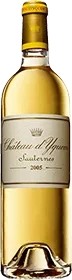
This vintage is the last to have been sold under the old system. Meaning, the wine was only shown after it had already spent several months in bottle. It also marks the transition from the old team to the new one. The old crew handled the vinification, the new one did the blending. Pierre Lurton explained to me that the existing blend was tackled again from scratch. When he asked how the final cut was made, he was told: “We simply took the best of the best.” Together with oenologist Denis Dubourdieu, they scrutinized the non-selected lots and found batches that, according to the comments, should have given more play to a wine deemed rich, even somewhat heavy. I tasted the wine with the cellar master on June 21, 2007 at the château. The color is a very deep yellow, even showing slight orange reflections. The bouquet is thick and deep, showing dried apricots, fig tones, raisins, the faintest smoky hints in the background, dried dates, candied honey; despite the likely quite high sweetness, the nose presently feels a bit dry, which in turn accentuates the spicy notes. On the palate, the components are rich, almost—by sweet-wine standards—a bit brawny; the dried fruits, from a baseline aromatic perspective, currently take the upper hand; the acidity manages to support this balancing act, but what is not yet fully resolved is the sum of the wine’s glycerol-like fat needed to counterbalance the power and give the harmony required for a potentially truly great wine. The puzzle therefore still has (some?) missing pieces. Those who drink it now will nevertheless be dazzled by the sum of its individual parts. A true Sauternes—or rather Yquem—connoisseur hopes that this mammoth sweet wine will, in 20 years, deliver on the promise that the two guarantees “Yquem” and “vintage 2003” should be able to fulfill with ease. It can still gain further. For now, for safety’s sake, I would switch to more reliable and, moreover, less expensive vintages. In character, it most closely resembles the 1976. (18/20). 12: At a dinner hosted by Fränzi and Urs Ratschiller, this 2003 d’Yquem sparkled in my glass. I have rarely experienced such nasal schizophrenia. The very delicate nuances of grapefruit and mandarin oil had little chance to fight through the honeyed thicket, but they were there, very subtle, yet somehow refreshing. On the palate, the acidity tried to balance with the almost oily body. That almost succeeded. Plenty of vanillin, yellow fruits (a few days earlier I had eaten a fully ripe mirabelle from a stranger’s tree, and that memory drew the parallel), a hint of quince, nectarines, and again delicate vanilla traces, which I associated more with the scent of vanilla powder used to cook a custard. The heft should slim down a bit with age, but despite the Lurton intervention, this will remain a Sauternes that, by tendency, would also suit a liqueur bottle. A small drop is enough to memorize the taste for minutes. Will it even gain another point in 20 years and land at 20/20? I see full maturity coming even later. But to make that claim, one would need to have tasted and drunk many Yquem. A glance at my Access file shows me that I have been present for 144 vintages of this Sauternes primus inter pares. So I dare to maintain this thesis. (19/20). 17: Magnum. Very pale golden yellow, luminous. The raisiny bouquet comes with demonstrative sweetness, so strong that the presumably generous botrytis currently has difficulty coming through; apricots and mirabelles in confit form, with a nuance of turmeric-like spice along for the ride. On the palate, the almost overloaded spiciness continues nearly seamlessly; the flow feels almost oily and ends with a thick quince jelly finish. A truly great Yquem that, due to its enormous sugar-driven force, currently shows only a portion of what the patient collector will first encounter in around 20 years. It will go down in Yquem history as the “Big Bertha.” (19/20). 21: Already quite dark gold. The first nose suggests freshly cooked, cooled apricot jam. Then come impressions of marzipan, blood oranges, almond meal, light raisins and saffron. The fullness is overflowing and enormously rich. On the palate, this thick nectar almost breaks the mold. It seems to me this is the most opulent Yquem I have ever had on the palate. The flow is oily, almost sticky. Of all that is good, almost too much. Sauternes slim down as they age. So it will be with this Yquem, which also shows affinities with a Trockenbeerenauslese or a Tokaji, at some point. So wait, or eat it with Turkish delight. That’s generally overly sweet as well. (19/20).