


Châteauneuf-du-Pape Wines
Products (238)

Creative blend of three vintages, silky texture and ageing potential until 2043.
€294.00

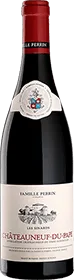
A powerful and refined Châteauneuf-du-Pape with notes of garrigue and candied fruit.
€188.00

€175.00
€203.00
Want to save time?
Write what you're looking for in your own words, our virtual assistant will guide you through your choices!


A white Châteauneuf born from black grapes, lively and pure, with citrus aromas.
€196.00

€239.00
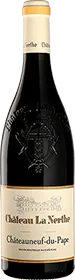
€330.00
€203.00

Selection of forty fresh plots for a saline, precise and luminous white.
€174.00
€197.00

€357.00

A 1991 vintage aged in concrete, combining concentration and preserved freshness.
€834.00

A blend of 13 grape varieties, juicy fruits and garrigue, of remarkable elegance.
€642.00
€594.00

€462.00
€330.00

Garrigue, liquorice and ripe fruit: a silky, generous red, ready to drink.
€444.00
Fusion of terroirs in a unique wine, silky texture and remarkable spiced profile.
€474.00

€234.00
A blend of thirteen grape varieties, silky texture and exceptional mineral freshness
€876.00

A full-bodied, mineral white, blending southern richness with remarkable crystalline freshness.
€348.00
A blend of eight grape varieties aged in amphorae, with intense dark fruit and a saline finish.
€210.00
Historic cuvée with silky tannins, blending solar power and elegant freshness.
€494.00

Châteauneuf blanc aged two years in Vinarium, a harmonious blend with floral notes
€419.00

A blend of three vintages across one hundred parcels, combining dark fruit and silky tannins.
€297.00
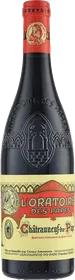
Old vines, 4 terroirs: a refined, juicy red of rare freshness.
€277.00

€600.00

Traditional blend of rare grape varieties, crafted with precision in a cool vintage
€594.00

€216.00

€185.00
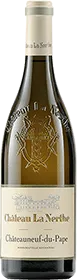
€312.00
€191.00

Pure grenache from ninety-year-old vines, with a full, silky palate of red fruit notes.
€630.00

Vines of 70 years on rare pebbles, saline minerality and guaranteed 25-year ageing potential.
€594.00
€216.00
Intense dark fruits, garrigue and tapenade, wild notes, dense structure.
€686.00
€354.00
€227.00
Mythical blend of 13 grape varieties, this wine reveals truffle, cherry and garrigue.
€649.00

€720.00

Roussanne reveals peach, honey and white flowers on a saline backbone.
€774.00
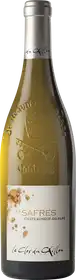
€346.00
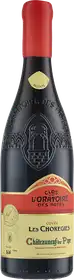
Old vines on galets, peppery cherry and garrigue, creamy and elegant texture
€582.00
Vibrant red fruits and silky tannins for a harmonious Châteauneuf, ready to drink.
€263.00

€246.00