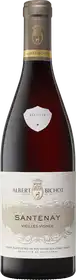
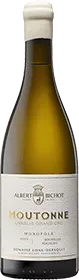
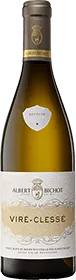
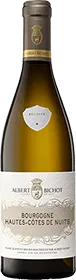
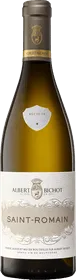
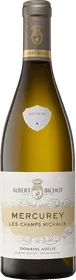
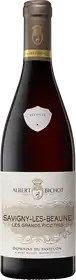
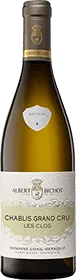
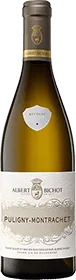
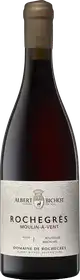
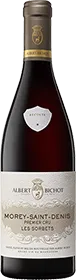
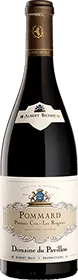
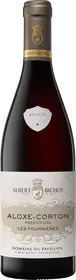
Albert Bichot stands out for its unique organisation in Burgundy: rather than a classic négociant house, it brings together six independent estates, guaranteeing a rare level of authenticity.
This structure spans the entire Burgundy vineyard, from Chablis to the Côte Chalonnaise, with over one hundred hectares in ownership and prestigious names. After tasting the full breadth of this extensive selection, we have put together a collection combining more accessible village wines and collector's bottles.
The house's style favours the expression of terroir through low-intervention viticulture and a measured use of new oak. Albert Bichot thus embodies the meeting point of terroir diversity, plot-by-plot precision and family continuity spanning nearly two centuries.
A unique structure: six independent estates, not a single "mono-winery"
Unlike négociant houses relying on a single winemaker, Albert Bichot operates as a federation of independent estates, each with its own team, facilities and cellar master overseeing vine-growing, winemaking and ageing on site. This organisation creates genuine differences in profile between the wines, depending on the terroir and the human hand behind it. Indeed, it guarantees an authenticity and a fidelity to terroir that are hard to match, since each estate expresses its own identity rather than a uniform house style.
Which estates and properties make up Albert Bichot?
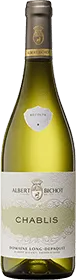
Domaine Long-Depaquit (Chablis, around 65 ha): prestigious grands crus (La Moutonne as a monopole, Les Clos, Les Preuses, Les Vaudésirs).
Domaine du Clos Frantin and Château-Gris (Côte de Nuits): the latter cultivates rare terraced vines.
Domaine du Pavillon (Côte de Beaune): the family stronghold, at the heart of the great white wines.
Domaine Adélie (Côte Chalonnaise): named after Albéric Bichot's eldest daughter.
Domaine de Rochegrès (Beaujolais): old vines aged 80 to 100 years.
What style of wine defines Albert Bichot?
The house's guiding thread lies in a single conviction: to reveal the identity of the soil. Albert Bichot's wines showcase the fruit, seek just the right ripeness and reject excessive oak. Elegant, generous, approachable in their youth yet built to age, they favour the expression of place above all.
This philosophy translates into a low-intervention approach, applied with consistency. Hand-harvesting on the crus, horse-ploughing on certain plots, plot-by-plot vinification, gravity-fed transfer of the wine: every step aims to preserve the imprint of the climat.
Ageing generally spans twelve to eighteen months, with a measured proportion of new barrels. Committed to organic farming since 2014, Albert Bichot stands out as a pioneer among the great houses of the region.
An exceptional and comprehensive range of terroirs
Few houses can claim such a range of climats under a single banner. Albert Bichot covers Burgundy from north to south, from the Kimmeridgian slopes of Chablis to the old vines of Moulin-à-Vent, taking in the Côte de Nuits, the Côte de Beaune and the Côte Chalonnaise along the way. Its portfolio brings together names that make enthusiasts' hearts race: Chambertin, Clos-Vougeot, Échézeaux, Grands-Échézeaux, Corton-Charlemagne, not forgetting the Vosne-Romanée premier cru Les Malconsorts, which borders La Tâche.
This diversity is far from a mere assembly of contracts. The house itself produces a large share of its harvest, with over one hundred hectares in ownership spread across six estates. Owning so many top-tier terroirs while directly controlling the vines is a rare exception in Burgundy. At Albert Bichot, the breadth of the range goes hand in hand with a plot-by-plot precision that gives each appellation its own distinct character.
A range that combines accessibility and exceptional quality
Which appellations offer great value for money?
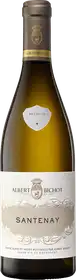
Exploring Albert Bichot doesn't mean heading straight for the summit. Several cuvées offer an ideal entry point into the house style, without sacrificing finesse. From Chablis to Saint-Romain, taking in Santenay, Viré-Clessé, Puligny-Montrachet, Vosne-Romanée and Savigny-lès-Beaune, these village appellations charm with the delicacy of their fruit as much as with their freshness and finesse.
Which bottles should a collector's cellar prioritise?
For the collector, the house opens the doors to its rarest heritage. The Chablis grand cru Moutonne, a monopole nestled in an amphitheatre between Les Vaudésirs and Les Preuses, ranks among Burgundy's greatest white wines. In red, the Vosne-Romanée premier cru Les Malconsorts from Domaine du Clos Frantin, the immediate neighbour of La Tâche, is a true gem of the Côte de Nuits. These bottles belong to a category of wines that are as cherished as they are patiently awaited.
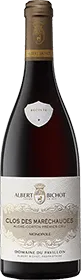
The grands crus of Clos Frantin round out this exceptional selection: Chambertin, Clos-Vougeot, Échézeaux and Grands-Échézeaux. On the Côte de Beaune, the monopole of Corton grand cru Clos des Maréchaudes, where premier cru and grand cru meet within a single walled clos, represents a unique geological curiosity.
Wines to enjoy young or lay down
Which wines are best enjoyed young?
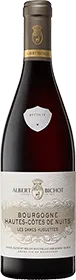
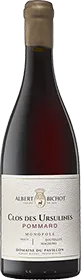
The restrained use of oak and gentle extraction make many cuvées approachable from their earliest years. The Hautes-Côtes de Nuits Les Dames Huguettes, vibrant and refreshing, is a delight to drink in its youth. The Pommard Village Clos des Ursulines, a monopole with juicy strawberry notes, already offers immediate pleasure despite its potential for ageing.
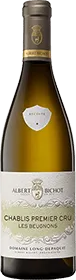
The house's white wines lend themselves equally well to early drinking. The Chablis Village from Domaine Long-Depaquit, textured and full-bodied, can be enjoyed from its early years. In the Côte Chalonnaise, the cuvées from Domaine Adélie charm with their aromatic accessibility, while still promising good ageing potential.
Which wines are best suited to laying down?
For the cellar, the best-structured grands crus and premiers crus demand time and reward patience. The Aloxe-Corton premier cru Clos des Maréchaudes, with its silky tannic structure and notes of cherries in brandy, will happily keep for around ten years. The Corton grand cru, from the upper part of the same clos, gains in concentration and depth with age.
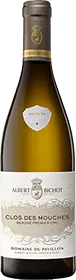
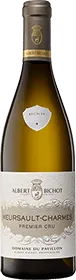
The house's age-worthy whites are equally impressive. The Beaune premier cru Clos des Mouches from Domaine du Pavillon, still youthful in its first vintages, reveals brioche notes and remarkable length after five to ten years. The Meursault premier cru Les Charmes, generous and persistent, follows a similar path. At Albert Bichot, ageing potential is assessed case by case, depending on the vintage, structure and storage conditions.
A family and a history stretching back centuries
The earliest traces of the Bichot family date back to 1214, with Burgundian roots established as early as 1350 in Châteauneuf-en-Auxois. The wine house was born in 1831, when Bernard Bichot founded his négociant business in Monthélie. His son Hippolyte acquired the first vines in Volnay, already convinced that mastering the earliest stages was the key to a wine's quality. At the end of the 19th century, Albert Bichot revived the business and established it in the centre of Beaune in 1912.
Today, the sixth generation is at the helm: Albéric Bichot has directed the house since 1996. He is responsible for expanding the estate's own vineyards and for its commitment to organic farming.
Frequently asked questions about Albert Bichot wines
What are the main appellations represented by Albert Bichot?
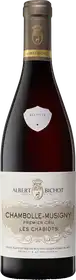
The house covers the whole of Burgundy. Its flagship appellations include Chablis, Meursault, Pommard, Chambolle-Musigny, Clos Vougeot, Beaune, Aloxe-Corton, Puligny-Montrachet, Vosne-Romanée, Chambertin, Chassagne-Montrachet, Santenay, Viré-Clessé, Corton, Echezeaux, Morey-Saint-Denis, Clos de la Roche, Fixin, Richebourg, Nuits-Saint-Georges, Saint-Romain, Bonnes-Mares, Volnay, Savigny-Les-Beaune, Pouilly-Fuissé, Moulin-à-Vent, Mercurey…
What role does Chardonnay play at Albert Bichot?
Burgundy is among the oldest reference terroirs for Chardonnay, and Albert Bichot draws on the full breadth of its diversity. The grape variety expresses itself as beautifully in the Chablis wines from Domaine Long-Depaquit, on Kimmeridgian soils, as in the great whites of the Côte de Beaune, from Meursault to Corton-Charlemagne, or in the Moutonne monopole.
Who is Albert Bichot?
Albert Bichot refers both to a family-run Burgundian house founded in 1831 and to the successive figures of the dynasty who have carried it forward. Albert Bichot, the first of that name, gave it its momentum at the end of the 19th century. Today, Albéric Bichot, the sixth generation, has led the house since 1996.