Discover your 100% Free Loyalty Programme | Discover
TrustMark
4.46/5
unchecked wish list
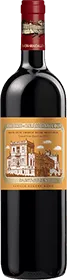
Château Ducru-Beaucaillou 1961
4 pictures
4 pictures
No Discount Applicable

Château Ducru-Beaucaillou 1961

2e cru classe - - - Red - See details
Parker | 98
Wine Spectator | 92
R. Gabriel | 20
Vinous - A. Galloni | NM96
The Wine Independent | 98
Vinous Neal Martin | 97
€4,200.00 Incl. VAT
(
€4,200.00 / Unit
)
Packaging : Bottle (75cl)
1 x 75CL
€4,200.00

Only 2 available

In-Stock

    Marks and reviews

    96

    /100

    Robert Parker

    Robert M. Parker, Jr.

    Tasted 6 times with consistent notes Fully mature, yet continuing to exhibit gobs of rich, lush, expansive fruit, the 1961 has amber/orange edges and shows an exotic bouquet of ripe fruit, vanillin, caramel, mint, and cedar. Fat, rich, and loaded with sweet, highly extracted fruit, this velvety, beautifully crafted wine has a 60–75 second finish. It is a brilliant wine that should hold up nicely for up to a decade. Anticipated maturity: now–2005.

    92

    /100

    Wine Spectator

    A classy Bordeaux from a great year. It smells perfumed and exotic, tastes plush, velvety and rich with complex flavors. Has great balance and good length. Can age through at least 2002, but may be at its peak now.--1961 Bordeaux horizontal.

    97

    /100

    Decanter

    This bottle of 1961 Ducru-Beaucaillou is exceptional, with a delicate and refined bouquet of bacon, ash, red berries, tobacco, cedar, and graphite with air. Long and delicate, the palate is perfectly balanced and medium-bodied, with impressive freshness and tension on the finish. A real beauty! Enjoy it now, although it can be cellared for another two to four years.

    95

    /100

    Vinous

    Neal Martin

    It has been four years since I last encountered the 1961 Ducru-Beaucaillou. This bottle had impeccable provenance: bought on release by Tour d'Argent restaurant in Paris, which eventually sold part of its cellar at auction. This is a magnificent Saint-Julien with a little more bricking on the rim than previous bottles, yet the nose is compelling with plenty of black fruit intertwined with Japanese nori, cedar and antique bureau, plus just a touch of swimming pool that you often find with 1961s. Wonderful delineation, and it blossoms in the glass. The palate is medium-bodied, so fresh and vital with finely sculpted tannins. A little muscular initially, it gradually gains more and more composure with tobacco and sandalwood towards the finish. It has softened in recent years, mellowed, less stentorian than before, perhaps now just a small step down from its very lofty peak. Tasted at the 1961 dinner at Ami restaurant in Hong Kong.

    99

    /100

    Jeff Leve

    Leve Jeff

    A stunning example that hit all of its marks, starting with its haunting perfume loaded with tobacco, mushrooms, cedar chest, leather, currants, mint leaf, and cherries. Full-bodied, concentrated, and balanced perfectly between its regal character and layers of still vibrant, earthy, ripe, red fruits. The finish stuck its mark with close to 60 seconds of pleasure in every sip. A good bottle is a majestic tasting experience. Drink from 2023-2035.

    94

    /100

    Falstaff

    Falstaff

    Medium ruby, good depth of colour, broader brightening on the rim. Delicately vegetal, dark caramel, fine roasted aromas, somewhat brittle tannins, but equipped with convincing sweetness on the finish, some toffee on the aftertaste, unfortunately not quite a perfect bottle, which would have been a lot of fun without the faint cork taint.

    19

    /20

    Weinwisser

    Strongly lightened, brownish garnet with orange highlights. On the nose, a gorgeous bouquet of nuts, cedar, Dominican tobacco and plums, discreet yet very complex. Delicately structured palate, again a plummy sweetness with dried-fruit notes in a slender yet melting extract, herbal tones, very long finish, noble, majestic elegance.

    19

    /20

    René Gabriel

    The start in 1988 was promising (19/20): still seems closed (decant?). Hinted complexity, full but not heavy body. Superb structure and tremendous length. And again a sensational bottle in 1992: pencil lead, cedar scent, Cohiba cigar aroma. So fine and so perfect at the same time. The most elegant concentrate I’ve had since the ’53 Lafite and the ’61 Palmer. Then three tired bottles followed and I seriously wondered whether the peak drinking window was already over. By now I feel that this great wine, illogically, went through another small closed phase after 30 years (!). When I open this “most delicate temptation since Bordeaux has existed” now and then, I decant it half an hour beforehand. Drunk with Philippe Castéja (Ch. Batailley) in 2000 at Restaurant Sempacherhof and rated 19/20: the bouquet is fine, delicate, smelling of Dominican tobacco and sweet prunes, showing so many facets that you’d almost like to spend a long time just breathing in this filigreed terroir scent. On the palate, velvety, creamy, with a dancing structure that’s barely perceptible and wrapped in an elegance no floating supermodel could imitate. A ballet wine you never forget, provided you’re not an anvil drinker and you have a soft spot for wines of finesse. 01: Strongly lightened, brownish garnet with orange reflections. Dreamy bouquet smelling of nuts, cedar, Dominican tobacco and plums; discreet yet very complex. Delicately built palate, again a plummy sweetness reminiscent of dried fruit in a slender yet melting extract, herbal tones, very long and noble finish with majestic elegance. (19/20). 09: Open and reminiscent of La Tâche, cumin, cloves, currants, dense and endowed with a dry terroir sweetness. On the palate still surprisingly firm, clear remaining tannins that guarantee this fleshy wine many more decades of enjoyment. (20/20). 11: Clear maturity notes with a brick-red rim. Woody notes with a lovely earthy sweetness, slightly artisanal, becomes increasingly cleaner in air. Slightly malty palate, soft acidity, shows grace with a velour-like texture, almost creamy, great length. (19/20). 11: Lightening rusty red. I was there during decanting and, while being carefully poured, the wine smelled of sweet raisins, plums and light chanterelles. Two hours later it began with figs and curry and continued with an irrepressible sweetness. On the palate, dancing—which for a ’61 sounds illogical—finely juicy, showing superb balance, endlessly long. This is Bordeaux that never satiates, only makes you addicted! (19/20). 14: Medium-dark garnet with orange and also brick-red reflections. Warm, sweet bouquet, organic malt notes, dried dates, fig syrup; underneath it shows a fragile note reminiscent of autumn leaves, cough syrup, red vermouth. On the palate very mineral, earth-iron tone; despite its pronounced maturity there is also a certain strictness; ends with herbs, malt and reduced pear juice and the finish has a touch of a wonderful cold roast gravy. A very mature bottle that held extremely long in air. Close to 20/20. 16: Clearly lightening, mature but still showing red reflections inside. Great, expansive and sweet bouquet, a hint of dried fruits and roasted coffee, as well as subtly meaty notes in the background. On the palate a slightly salient acidity that will probably preserve it and thus gives it a possible last dash of breed and—above all—a fairly powerful push on the finish. Ducru is rarely equipped with so much power on the finish. Overall, the nose is a shade more appealing than the palate. It was a wonderful bottle.

    19

    /20

    André Kunz

    Deep, dense, spicy, powerful bouquet: cedar, stable, currants, Cabernet spice, tobacco. Dense, finely muscular, aromatic palate with a concentrated structure, good tannins, dark aromatics, long, dense finish. 19/20 to drink

    98

    /100

    The Wine Independent

    Lisa Perrotti-Brown

    The 1961 Ducru-Beaucaillou, tasted at the chateau, is medium to deep brick in color. It opens with amazingly youthful, fragrant suggestions of cherry cordial, creme de cassis, rose oil, and spearmint, followed by touches of sandalwood and cigar box. The medium to full-bodied palate is rich and velvety, with a refreshing backbone to counter all that spicy fruit, finishing long and perfumed.

    Description

    Tasting characteristics and advice for Château Ducru-Beaucaillou 1961

    Tasting

    Color

    A pale to medium brick-brown hue cloaks this wine, attesting to more than six decades of evolution in bottle.

    Nose

    The bouquet reveals an enchanting complexity, unfolding the hallmark tertiary notes of a great vintage at full maturity: tobacco, cedar, truffle and mushrooms. These aromas blend harmoniously with nuances of candied red fruits, licorice and leather, creating an aromatic profile of rare sophistication.

    Palate

    On the palate, the wine impresses with its concentration and remarkable balance. The tannic structure, perfectly integrated after decades of aging, offers a silky, velvety texture. Flavors of ripe black fruits intertwine with the tertiary notes sensed on the nose, while the finish—of exceptional length—lingers with elegance.

    Serving

    Château Ducru-Beaucaillou 1961 should be served at a temperature of 16 to 18°C. Gentle decanting is recommended to separate any sediment that may have accumulated over the years, while avoiding excessive aeration that could alter its delicate aromas. This wine has reached its peak and should be enjoyed through around 2035.

    Food and wine pairings

    This Château Ducru-Beaucaillou 1961 pairs beautifully with fine red meats such as roasted beef tenderloin or hare stew. It also marries wonderfully with aged hard cheeses or mushroom and truffle preparations that echo its tertiary aromas

    A legendary Saint-Julien vintage at its peak

    The estate

    Founded in 1795 in Saint-Julien in the Bordeaux Médoc, Château Ducru-Beaucaillou is among the Second Growths of the renowned 1855 Classification. The estate takes its distinctive name from the “beautiful large pebbles” that make up its exceptional terroir and release heat back to the vines. Owned by the Borie family since 1941, the château is now run by Bruno-Eugène Borie, representing the third generation, who upholds the excellence of this Bordeaux institution, which also produces La Croix Beaucaillou and Le Petit Ducru.

    The vineyard

    The Château Ducru-Beaucaillou vineyard stretches in the heart of the Saint-Julien appellation, benefiting from an outstanding terroir composed of Gunzian gravels. These deep gravel soils, characteristic of the estate, ensure optimal drainage while storing daytime warmth and releasing it to the vines during the night. This unique geological setting, combined with proximity to the Gironde estuary, creates ideal conditions for cabernet sauvignon and merlot to thrive.

    The vintage

    The year 1961 remains one of the most legendary vintages in the history of Bordeaux. After late-May spring frosts naturally reduced yields, the summer proved exceptionally hot and dry, promoting remarkable concentration in the grapes. August saw high temperatures, while September offered ideal conditions up to the harvest, which began on September 22. These exceptional climatic circumstances gave rise to wines of extraordinary intensity and structure.

    Winemaking and aging

    Château Ducru-Beaucaillou 1961 was crafted using the traditional methods of the time, with parcel-by-parcel vinification and aging in oak barrels. The techniques employed made it possible to extract all the richness and concentration of the vintage, creating a wine with a powerful tannic structure built for long aging.

    Grape variety

    A blend of cabernet sauvignon and merlot, complemented by a small proportion of petit verdot, in keeping with the estate’s traditional plantings.

    Château Ducru-Beaucaillou 1961
    2.0.0