

 Guaranteed provenanceDirect from the estates
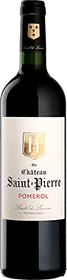
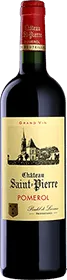
Château Saint-Pierre 2025
En Primeur Wines – delivery in early 2028
Description
Characteristics and Tasting Notes of Château Saint-Pierre 2025
Tasting
Nose
The aromatic bouquet reveals great intensity, unveiling a distinctive identity. It expresses seductive notes of black and blue fruits, orange peel and violet, subtly enhanced by touches of spice such as white pepper. Delicate smoky, mineral and lightly peaty nuances complete this fine complexity.
Palate
On the palate, this wine offers a texture that is both unctuous and airy. The tannic structure is elegant and tight, reflecting perfect ripeness. The wine unfolds into a flavorful, complex finish with a lovely sense of sapidity.
Food and wine pairing
This great red wine will pair wonderfully with small game, a fine cut of red meat or slow-cooked dishes in sauce. It will also go beautifully with more delicate dishes featuring wild mushrooms, as well as with a board of well-aged cheeses.
Serving and cellaring
Château Saint-Pierre 2025 shows excellent aging potential. When stored under good conditions, it can be enjoyed until around 2040.
The Elegance and Minerality of a Great Pomerol Wine
The Estate
Acquired in 1920 by the Pradel de Lavaux family, Château Saint-Pierre is a three-hectare estate located in the prestigious region of Bordeaux. Today, Axel Pradel de Lavaux, representing the ninth generation, has been at the helm of the estate since 2014. Supported by renowned oenologists, he brings a modern dynamic while respecting tradition. This estate now stands out as an unmissable, rising name within its appellation, recognized for its quality standards and the outstanding expression of its terroir.
The Vineyard
Ideally located on the upper part of the famous Pomerol plateau, the vineyard extends over sandy-gravelly soils rich in iron-rich clay (crasse de fer), as well as clay-gravel soils. The vines, averaging 30 years of age, are planted at a density of 6,000 to 7,500 vines per hectare. Vine training follows traditional methods with partial grass cover. Meticulous work, such as bud thinning, leaf thinning and rigorous plot selection, is carried out to ensure grapes of optimal quality.
The Vintage
The year was marked by heatwaves and an early drought stretching from spring through August. Timely rains at the end of summer helped revive the vine's growth cycle. Faced with these climatic challenges, farming practices were carefully adapted to limit water stress on the vines, thereby preserving all the freshness and balance of the future berries.
Winemaking and Aging
Hand-harvesting took place from September 4 to 11 for the Merlot and on September 17 for the Cabernet Franc, followed by careful sorting. Fermentation takes place in temperature-controlled concrete and stainless-steel tanks, favoring gentle extractions with the inclusion of a portion of whole clusters. After a two- to three-week maceration, the wine is transferred to barrel as soon as it is drawn off. Aging takes place using 40% new barrels, 30% one-wine barrels and 30% amphorae, before bottling at the château. Alcohol content: 13.5% vol.
Grape Varieties
Merlot and Cabernet Franc.