Assistant



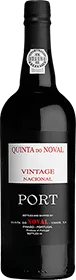
Quinta do Noval : Vintage Nacional 2003
Only 1 available
In-Stock
Let's talk about this product!
A pairing in mind? A question about the vintage? Comparison with another product? Find the answers here...
Description
The structure and aromatic palette of a Vintage Port by Quinta do Noval
The estate
As early as 1715, records mention the name of Quinta do Noval. António José da Silva, a merchant at the port of Gaia in Porto, acquired Quinta do Noval in 1894, after it had been devastated by phylloxera. His son-in-law, Luiz Vasconcelos Porto, subsequently launched an ambitious vineyard renovation programme. Most notably, he widened the narrow dry-stone terraces that shape the landscape of the Douro vineyards. Revolutionary at the time, this method allowed for better use of space and sun exposure. Painted with lime, these white terraces remain a distinctive feature and a source of pride for the Quinta do Noval vineyard, an iconic benchmark among the great wines of Portugal.
The vineyard
This wine comes from an exceptional terroir where a remarkable soil and a unique microclimate combine to create ideal conditions for producing great Port wines. On the south side of the Douro, in Portugal, the Quinta's 138 hectares of vines, aged 30 to 40 years, grow on schist-influenced soils at altitudes ranging from 130 to 350 metres. The climate is dry, marked by extreme peaks of both coolness and heat.
The wine
The “Nacional” plot, at the heart of Quinta do Noval, is home to ungrafted, phylloxera-resistant vines that embody the very soul of Portuguese terroir.
Winemaking and ageing
The grapes are foot-trodden to obtain the must, then macerated in lagares, the Quinta's traditional stone tanks, to ensure optimal extraction of aromas, colour and tannins during fermentation. This Vintage Port is aged for several months in wooden casks in the temperature-controlled cellars of Quinta do Noval before being bottled.
Blend
This Quinta do Noval Vintage Nacional 2003 is made from a blend of indigenous grape varieties (Touriga Nacional, Touriga Franca, Tinto Cão, Sousão, Tinta Roriz, ….).