Assistant



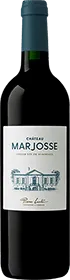
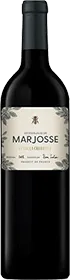
Château Marjosse 2025
En Primeur Wines – delivery in early 2028
Let's talk about this product!
A pairing in mind? A question about the vintage? Comparison with another product? Find the answers here...
Description
Characteristics and Tasting Notes of Château Marjosse 2025
Tasting Notes
Color
This wine reveals a deep, dense hue, showing almost black dark glints.
Nose
The bouquet is particularly intense, releasing voluptuous aromas of ripe black fruit such as blackberry and blackcurrant. The whole is delicately underlined by subtle spicy notes and a discreet floral touch.
Palate
The attack is broad, giving way to a dense texture carried by tight, ripe and velvety tannins. The structure proves taut with superb freshness, stretching towards a lingering finish marked by black fruit and a lovely mineral imprint.
Food and Wine Pairing
This cuvée pairs wonderfully with beef, whether simply grilled or slow-cooked in sauce. It will also brilliantly accompany game, roasted poultry such as duck, as well as platters of aged cheeses or herb-flavored charcuterie.
Other Characteristics
The alcohol content reaches 14.5% vol. for a yield of 25 hl/ha this harvest. The wine is bottled in bottles weighing 1.3 kg.
An Elegant and Authentic Bordeaux from Château Marjosse
The Estate
Built in 1782, the manor house of Château Marjosse flourishes at the heart of the Entre-deux-Mers appellation, in the Bordeaux region. This historic estate experienced a true renaissance under the impetus of Pierre Lurton, its current owner and an emblematic figure of the vineyard, who began leasing land there in 1990 before acquiring it entirely. Today, the estate stands out for its commitment to organic viticulture and for showcasing its exceptional terroir. This mark of excellence translates into wines combining authenticity, freshness and remarkable value for money.
The Vineyard
Spanning around forty hectares dedicated to producing quality wines, this Bordeaux vineyard benefits from an exceptional clay-limestone terroir, resting on the famous asteria limestone. The vines, averaging 25 years of age with some historic plots reaching 75 to 100 years old, are planted at a density ranging from 4,000 to 7,000 vines per hectare. Farmed according to organic principles, the estate benefits from hillsides rising to sixty meters in altitude, offering optimal natural drainage and excellent exposure.
The Vintage
The year began with a mild winter favoring early budbreak, followed by a dry, sunny spring that allowed for even flowering. Summer was marked by several heatwaves and a water deficit, but the clay-limestone soils played their regulating role by limiting water stress. These conditions produced small berries highly concentrated in phenolic compounds and a rapid veraison. Finally, some rainfall in early September required a meticulous and targeted harvest.
Winemaking and Aging
For Château Marjosse 2025, the harvest took place mostly during the coolest hours of the day. Each grape variety and each plot is vinified separately in temperature-controlled concrete vats. After cold pre-fermentation maceration, extractions are carried out gently to preserve the balance and finesse of the juices. Aging then takes place on fine lees, partly in concrete vats and in large wooden vessels, with no use of new oak, in order to preserve aromatic purity.
Grape Varieties
This blend is made up of 60% Merlot, 25% Cabernet Franc, 10% Cabernet Sauvignon and 5% Malbec.