

 Guaranteed provenanceDirect from the estates
 DeliveryFree for purchases over 3,315 SEK
- Secure PaymentVisa, American Express, Mastercard...
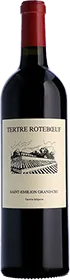
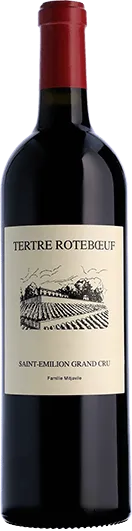
Château Tertre Roteboeuf 1986
Only 2 available
Stock currently at the producing estate – Will ship after 14 October 2026
Description
Characteristics and tasting tips for Château Tertre Roteboeuf 1986
Tasting
Color
This wine displays a bright ruby hue with amber and brick-red highlights at the rim, reflecting its evolution after nearly forty years of bottle aging.
Nose
The nose reveals fine aromatic complexity dominated by notes of blackcurrant and truffle, along with nuances of cigar box. Aromas of candied dark fruits, cherry, licorice, and sweet spices also come through, underscoring the wine’s maturity.
Palate
The palate offers a velvety texture with melted, silky tannins. The structure is medium-bodied, revealing flavors of black cherry and red fruits enhanced by vanilla notes. Hints of leather and forest floor add depth to the whole. The finish, while slightly shorter than at its peak, remains harmonious and elegant.
Food and wine pairings
This Château Tertre Roteboeuf 1986 is an ideal match for roasted red meats such as a rib of beef à la bordelaise or an herb-roasted leg of lamb. It also pairs beautifully with fine poultry such as roast duck, feathered game, or dishes featuring wild mushrooms and truffles. Aged hard cheeses also make an excellent pairing.
Service and storage
It is recommended to decant Château Tertre Roteboeuf 1986 about one hour before serving to allow the wine to fully open up. The ideal serving temperature is between 16 and 18°C. Given its advanced age and full maturity, this wine is best enjoyed without delay, as provenance and storage conditions are decisive in appreciating its current quality.
A Saint-Émilion Grand Cru with an opulent style and a strong personality
The estate
Located in Saint-Laurent-des-Combes within the Saint-Émilion appellation, Château Tertre Roteboeuf spans 6 hectares of vineyards on south/southeast-facing clay-limestone hillsides. Taken over in the late 1970s by François Mitjavile, who now runs the estate with his wife Émilie, the property stands out for its artisanal approach to viticulture: very low-trained vines, grass cover, late hand-harvesting, fermentation without added yeasts, and extended aging in new oak barrels, revealing the most accomplished expression of Bordeaux hillside wines.
The vineyard
The Château Tertre Roteboeuf vineyard from which this wine is produced lies on the steep slopes of the southern hillside of Saint-Émilion, benefiting from a particularly favorable south-southeast exposure. The clay-limestone soils, composed of limestone and clay, give the wine its distinctive structure and aromatic complexity. The estate’s name also refers to the difficulty oxen once had climbing these steep inclines. This exceptional location allows the grapes to reach optimal ripeness.
The vintage
The 1986 vintage in Bordeaux was marked by a cold winter followed by a cool, wet spring that delayed the growing cycle. Summer proved especially hot and dry, creating significant drought conditions. Beneficial rains in September helped revive the vines before harvest. While this vintage produced structured, tannic wines—particularly successful on the Left Bank—results were more variable on the Right Bank, where Merlot dominates.
Winemaking and aging
For Château Tertre Roteboeuf 1986, winemaking followed the estate’s minimalist philosophy, favoring indigenous yeasts and limited intervention. The late harvests, a signature practice of François Mitjavile, made it possible to achieve optimal grape ripeness. Aging took place in French oak barrels, with the estate having begun to gradually incorporate new barrels into its aging process in the mid-1980s.
Grape varieties
Merlot (80%)
Cabernet Franc (20%)