

 Guaranteed provenanceDirect from the estates
 DeliveryFree for purchases over 3,315 SEK
- Secure PaymentVisa, American Express, Mastercard...
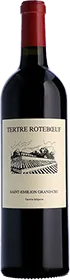
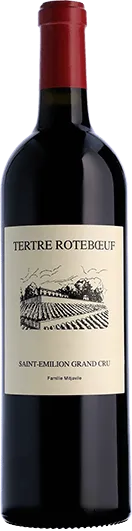
Château Tertre Roteboeuf 1998
Stock currently at the producing estate – Will ship after 14 October 2026
Description
Tasting Characteristics and Advice for Château Tertre Roteboeuf 1998
Tasting
Color
The color shows a deep ruby hue with brick and mahogany highlights at the rim, attesting to the wine’s evolution after more than twenty-five years of bottle aging.
Nose
The nose is spectacular and flamboyant, unveiling intense aromas of roasted espresso intertwined with melting chocolate, blackberries, and Asian spices. Notes of kirsch mingle with delicate scents of white truffle that emerge with aeration, alongside crushed roses, patinated leather, and woodsmoke. The bouquet evolves toward nuances of licorice, grilled meat, and a minerality reminiscent of the terroir’s deep limestone.
Palate
The palate is broad and generously structured, with a creamy texture and remarkable purity. It delivers an impressive concentration of ripe black fruit—blackcurrant and black cherry—lifted by touches of clove. The mid-palate expresses a hedonistic intensity with waves of glycerin and sweet fruit. The tannins, now integrated and silky after long maturation, wrap the palate with elegance. The finish lingers for several minutes, successively revealing notes of kirsch and caramel before giving way to mineral and earthy sensations. The acidity remains fresh and lively, bringing structure and balance despite the wine’s richness and power.
Food and Wine Pairing
This Château Tertre Roteboeuf 1998 pairs beautifully with truffle-poached eggs and woodcock purée accompanied by Bazas beef. It also elevates roasted or grilled red meats, feathered game, duck, lamb, and venison. Its aromatic complexity allows it to harmonize with spicy Asian dishes, particularly Chinese and Southeast Asian cuisine. Rich fish such as tuna and salmon also make excellent pairings, as do mushroom-based dishes and aged hard cheeses.
Serving and Cellaring
Château Tertre Roteboeuf 1998 is ideally enjoyed at a temperature of 15.5 °C. At this stage of maturity, light decanting is sufficient to remove the natural sediment formed over the course of aging. The wine has reached full maturity and can be enjoyed through around 2032, though it is recommended to taste it over the coming years to fully appreciate its complexity and balance.
An Exceptional Saint-Émilion Grand Cru, the Expression of a Unique Terroir and a Sun-Kissed Vintage
The Estate
Located in Saint-Laurent-des-Combes within the Saint-Émilion appellation, Château Tertre Roteboeuf spans 6 hectares of vineyards on south/southeast-facing clay-limestone slopes. Taken over in the late 1970s by François Mitjavile, who now runs the estate with his wife Émilie, the domaine produces around 27,000 bottles per year. The singularity of this Bordeaux wine lies in its artisanal viticulture: very low-trained vines, permanent grass cover, late hand-harvesting, fermentation without added yeasts, and extended aging in new barrels, revealing the most accomplished expression of the wines of the Bordeaux slopes.
The Vineyard
The Château Tertre Roteboeuf vineyard occupies a privileged position on a south-southeast-facing hillside, forming a natural amphitheater within the Saint-Émilion appellation. The 6 hectares of vines rest on clay-limestone soils that give the wine its mineral structure and exceptional aging potential. The vines, averaging around forty years old, benefit from cordon training that keeps the canopy low, creating a favorable microclimate with temperatures about one degree higher than neighboring parcels. This additional warmth, combined with the reflection from the arid ground, makes it possible to achieve optimal phenolic ripeness. The estate practices respectful viticulture with permanent grass cover, yields limited to a maximum of 36 hectoliters per hectare, and no green harvesting, favoring natural selection.
The Vintage
The 1998 vintage stands out as one of the warmest years of the late twentieth century in Bordeaux. The growing season benefited from generous conditions, with remarkable sunshine and high temperatures that lasted through harvest. These conditions enabled the grapes to reach exceptional phenolic ripeness, with naturally high sugar levels. For the Right Bank and Saint-Émilion in particular, this vintage offered ideal conditions, producing wines of remarkable richness and concentration. The warmth of the year proved especially favorable to estates practicing late harvesting and seeking full ripeness, such as Tertre Roteboeuf.
Vinification and Aging
Vinification of Château Tertre Roteboeuf 1998 followed the principles established by François Mitjavile, favoring an authentic expression of the terroir. Late hand-harvesting made it possible to pick grapes at optimal ripeness. Fermentation took place in traditional concrete vats with indigenous yeasts, at high temperatures that could reach 35 °C. This particularly hot year required an extended fermentation period to fully convert sugars into alcohol. Malolactic fermentation was carried out directly in new French oak barrels from Radoux cooperage. Aging continued for 18 to 22 months with frequent rackings, about every three weeks, providing controlled oxygenation that contributed to the wine’s signature velvety texture. No second wine was produced, with the entire crop devoted to the grand vin.
Grape Varieties
Merlot (80%)
Cabernet franc (20%)