

 Guaranteed provenanceDirect from the estates
 DeliveryFree for purchases over 3,315 SEK
- Secure PaymentVisa, American Express, Mastercard...
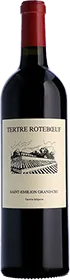
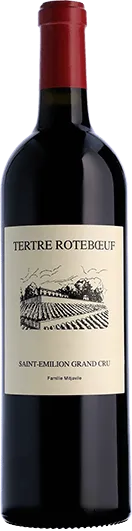
Château Tertre Roteboeuf 1999
Stock currently at the producing estate – Will ship after 14 October 2026
Description
Tasting characteristics and advice for Château Tertre Roteboeuf 1999
Tasting
Color
The color reveals a deep ruby-red hue.
Nose
The nose opens on a generous, complex bouquet, unveiling aromas of candied black fruits, notably black cherry. Notes of scorched earth and smoky herbs mingle with hints of chocolate and roasted coffee. With aeration, nuances of truffle and sweet spices enhance the aromatic palette.
Palate
On the palate, this wine charms with its voluptuous, fleshy texture. The balance between the fruit’s generosity and the tannic structure is remarkable, with silky tannins that are perfectly integrated. The finish lingers elegantly with spicy, toasty notes, reflecting fine concentration.
Food and wine pairings
This Château Tertre Roteboeuf 1999 is an ideal match for game dishes, especially venison or wild boar in sauce. It also pairs perfectly with roast beef served with a reduction, wild mushrooms, or aged cheeses such as Comté.
An exceptional Saint-Émilion Grand Cru by François Mitjavile
The estate
Located in Saint-Laurent-des-Combes in the Saint-Émilion appellation, Château Tertre Roteboeuf spans 6 hectares of vineyards on south/south-east-facing clay-limestone hillsides. Taken over in the late 1970s by François Mitjavile, who now runs the estate with his wife Émilie, the domaine produces around 27,000 bottles per year. The singularity of this Bordeaux wine lies in its artisanal approach to viticulture: very low-trained vines, cover cropping, late hand-harvesting, no added yeasts during vinification, and extended aging in new barrels, revealing the most accomplished expression of Bordeaux hillside wines.
The vineyard
The Château Tertre Roteboeuf vineyard enjoys an exceptional location in the southern part of the Saint-Émilion appellation. The parcels are planted on steep slopes facing due south to south-southeast, offering optimal sun exposure. The clay-limestone soils, typical of this area, give the wines their richness and concentration. The average vine age exceeds forty years, ensuring greater complexity. François Mitjavile reintroduced permanent cover cropping and maintains deliberately low vine height to maximize access to the warmth radiated by the soil, thereby promoting slow, complete ripening of the grapes.
The vintage
The 1999 vintage in Bordeaux proved climatically contrasted, with variable conditions throughout the season. Despite an overall reputation that is less prestigious than other years, this vintage enabled the most talented winegrowers to produce supple, aromatic wines. In Saint-Émilion, quality proved very satisfactory for estates that were able to adapt their viticultural practices to the year’s particularities.
Vinification and aging
The vinification of Château Tertre Roteboeuf 1999 follows François Mitjavile’s distinctive philosophy. Hand-harvesting takes place at optimal ripeness, sometimes very late. Fermentation is carried out in concrete tanks with indigenous yeasts, at high temperatures that can reach thirty-five degrees Celsius, promoting aromatic extraction while preserving finesse. Aging takes place over approximately twenty-two months exclusively in new French oak barrels from the Radoux cooperage, punctuated by regular rackings that allow progressive oxygenation and natural clarification of the wine.
Grape varieties
Merlot (80%)
Cabernet franc (20%)