Assistant



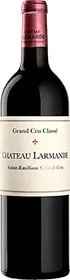
Château Larmande 1998
In-Stock
Let's talk about this product!
A pairing in mind? A question about the vintage? Comparison with another product? Find the answers here...
Description
Characteristics and tasting tips for Château Larmande 1998
Tasting
Appearance
The wine displays a lovely red colour.
Nose
The bouquet, typical of this cru, reveals aromas dominated by ripe red and black fruits such as cherry, blackberry and plum. With age, it releases subtle floral notes of violet and sweet spices, along with tertiary hints of undergrowth and truffle.
Palate
True to the estate's style, the attack is gentle, giving way to a broad, velvety mid-palate. This wine stands out for its roundness, complexity and approachability, supported by silky tannins and a lovely freshness that lengthens the finish.
Food and wine pairing
Now at its peak, this great red wine pairs beautifully with roast or grilled meats, such as a herb-crusted rack of lamb or a beef fillet. It is also an elegant match for slow-cooked dishes, fine poultry such as roast pigeon or duck with figs, and mature cheeses like an aged Comté or a truffled Brie.
The elegance and roundness of a Saint-Émilion Grand Cru Classé
The estate
One of the oldest estates in Saint-Émilion, in the Bordeaux wine region, Château Larmande traces its origins back to the 16th century, when the jurats held their sessions there. This 20-hectare estate was acquired in late 1990 by the insurance group La Mondiale, now AG2R La Mondiale, its current owner. Under the guidance of the owner and technical director Claire Thomas-Chenard, the estate combines tradition and modernity. It is known for its long-term management and strong commitment to sustainable viticulture and biodiversity.
The vineyard
Located on the renowned Right Bank, in the heart of the Saint-Emilion appellation, the vineyard spans a mosaic of terroirs. The vines thrive on clay-limestone soils, which lend structure, as well as on ancient sands and clay that bring suppleness. Benefiting from a temperate oceanic climate, the estate follows a rigorous agroecological approach. The vineyard is farmed using sustainable methods that protect biodiversity through practices such as ploughing with draught horses, mating disruption and the use of natural compost.
Vinification and ageing
To craft Château Larmande 1998, the technical teams favoured traditional methods designed to express the full typicity of the terroir. Before terracotta amphorae were more recently introduced at the estate, this vintage was aged in the classic way, in oak casks. This time in barrels refines the wine's tannic structure while adding further complexity and excellent ageing potential.
Grape varieties
This wine is a blend dominated by Merlot (65%), complemented by Cabernet Franc (30%) and Cabernet Sauvignon (5%).