Assistant



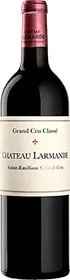
Château Larmande 1999
In-Stock
Let's talk about this product!
A pairing in mind? A question about the vintage? Comparison with another product? Find the answers here...
Description
Characteristics and Tasting Tips for Château Larmande 1999
Tasting
Colour
With age, the wine has developed subtle brick or orange hues that reflect its maturity.
Nose
The bouquet is beautifully complex, blending aromas of ripe red and black fruit with floral and spicy notes. Over time, it opens up to reveal enticing tertiary nuances of undergrowth, leather, blond tobacco and cedar.
Palate
Fleshy and deliciously fruity, the palate is broad and generous. Precise extraction brings out a harmonious structure, supported by firm yet well-integrated tannins, leading to a lingering finish.
Food and Wine Pairings
This wine is a wonderful match for roast red meats such as a herb-crusted rack of lamb or beef fillet. It also enhances slow-cooked dishes such as boeuf bourguignon, mushroom-based dishes like porcini risotto, and aged hard cheeses.
Serving and Cellaring
To fully appreciate this 1999 vintage, serve it at a temperature of between 16 and 18°C, opening the bottle one to two hours before tasting or decanting it very gently. Initially given an ageing potential of around fifteen years, this wine has now reached full maturity and is ready to drink.
The Elegance and Complexity of a Saint-Émilion Grand Cru Classé
The Estate
One of the oldest estates in the appellation, Château Larmande has origins stretching far back in time, as local archives attest, well before its modern family history began in the early 20th century. Located near the famous village in the Bordeaux region, the estate is now owned by the AG2R La Mondiale group. Managed by La Mondiale Grands Crus under the technical direction of Frédéric Chabaneau, the estate stands out for its strong environmental commitment, reflected in its HVE 3 certification, and its constant pursuit of balance.
The Vineyard
The estate's vineyard covers a single 20-hectare block, a rare configuration in Saint-Émilion. Set on a north-facing slope, the vines thrive on a mosaic of clay-limestone soils, siliceous clays and ancient sands. The estate follows a sustainable approach to viticulture that respects biodiversity, using mating disruption and compost and working the soil with draught horses.
Vinification and Ageing
To craft this wine, the technical team favoured gentle, measured extraction. This approach preserves the vibrancy of the fruit while extracting just the right amount of tannin needed to give the wine its structure. The estate also ages its wines in a variety of vessels, using terracotta amphorae alongside traditional barrels to enhance aromatic purity and micro-oxygenation.
Grape Varieties
Merlot, Cabernet Franc and Cabernet Sauvignon.