Assistant



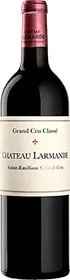
Château Larmande 2000
Only 2 available
In-Stock
Let's talk about this product!
A pairing in mind? A question about the vintage? Comparison with another product? Find the answers here...
Description
Characteristics and Tasting Tips for Château Larmande 2000
Tasting
Colour
An intense red hue unfolds, reflecting fine maturity and a well-controlled extraction.
Nose
The nose is complex, dominated by ripe dark fruit aromas, in the classic, generous style typical of the great wines of Saint-Émilion.
Palate
The palate is full and complex, underpinned by firm tannins and a solid structure, while retaining a delightfully fruity character that brings balance and drinking pleasure.
Food and Wine Pairing
This Château Larmande 2000 is ideally suited to rich, flavourful meats. It pairs particularly well with braised shoulder of lamb or a wild boar dish, highlighting its tannic structure and aromatic generosity.
Serving and Cellaring
This Château Larmande has an estimated ageing potential of around fifteen years from its release on the market.
A Structured, Fruity Saint-Émilion Grand Cru
The Estate
Château Larmande is a Grand Cru Classé of Saint-Émilion, located in the lieu-dit of Soutard, north of the medieval town. The estate was acquired at the end of 1990 by the mutual insurance group La Mondiale, now AG2R LA MONDIALE, the château's current owner. As part of La Mondiale Grands Crus, alongside Château Soutard among others, the estate benefits from shared technical management and draws on a varied terroir, the foundation of its consistent reputation in Bordeaux.
The Vineyard
The vineyard extends over 20 hectares on a plateau made up of clay-limestone soils and ancient sands, complemented by siliceous clays and areas rich in ferruginous residues. This mosaic of terroirs, typical of the northern part of the Saint-Émilion appellation, yields wines that are both structured and refined, in which Merlot and the two Cabernets are fully expressed.
The Vintage
The 2000 vintage is widely regarded as a particularly successful one, praised for its quality by the Guide Hachette. The conditions of the year allowed the grapes to reach fine ripeness, favouring the creation of a wine with a firm tannic structure and a pronounced ageing potential.
Winemaking and Ageing
The winemaking follows the pure Saint-Émilion tradition, with a deliberately short extraction in order to achieve good structure and firm tannins. Ageing takes place in barrels, 60% new oak and 40% barrels that have previously held one or more wines, adding complexity and balance without masking the expression of the fruit.
Grape Varieties
The blend is based mainly on Merlot, at 65%, complemented by Cabernet Franc and Cabernet Sauvignon.