Assistant


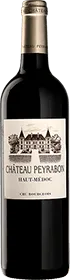
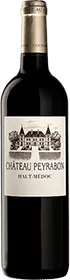
Château Peyrabon 2008
In-Stock
Let's talk about this product!
A pairing in mind? A question about the vintage? Comparison with another product? Find the answers here...
Description
Characteristics and tasting advice for Château Peyrabon 2008
Tasting
Color
The color reveals a deep ruby red hue with black highlights.
Nose
The nose opens with aromas of ripe black fruits, notably plum and blackcurrant, accompanied by pronounced woody notes. Nuances of dried fruits, spices, and tobacco add complexity to the bouquet.
Palate
The attack on the palate is silky and round, revealing an intense, well-defined tannic structure. The palate displays lovely richness, with ripe, dry tannins that bring depth. The finish lingers elegantly with notes of black fruits and spices.
Food and wine pairings
This Château Peyrabon 2008 is a perfect match for roast leg of lamb, grilled rib of beef, or red meats in sauce. It also pairs very well with game, duck-based dishes, or a selection of aged cheeses.
Serving and cellaring
Château Peyrabon 2008 is ideally served at a temperature between 15 and 18°C. Decanting for about an hour helps soften the tannins and fully reveal the aromas. This vintage can be enjoyed until around 2020.
A structured and elegant Haut-Médoc
The estate
Founded in 1766, Château Peyrabon is a wine estate located in the Haut-Médoc, near Pauillac, on gravelly rises typical of the region. Led by Patrick Bernard from 1998 and then under the stewardship of the Castéja family since 2022, the château stands out for its Renaissance architecture, with towers added in 1821 and a slate roof.
The vineyard
The Château Peyrabon vineyard stretches over soils made up of sandy gravel resting on a clay subsoil, forming a gravelly rise that is particularly well suited to expressing Cabernet Sauvignon. The 33 plots that make up this Haut-Médoc terroir benefit from optimal conditions to produce concentrated, balanced grapes. The vines have an average age of 29 years.
Winemaking and aging
The grapes for Château Peyrabon 2008 are harvested using a combination of mechanical and manual picking, followed by rigorous sorting. Vinification takes place in temperature-controlled stainless-steel tanks, allowing precise control of fermentation temperatures. Malolactic fermentation also takes place in tank. The wine is aged for around 14 months in French oak barrels, 33% new oak, bringing complexity and structure while preserving the expression of the fruit.
Grape varieties
Cabernet Sauvignon (60%)
Merlot (35%)
Cabernet Franc (3%)
Petit Verdot (2%)